Bridge structures, transmission line supports, housing and communal services elements (water tanks, gas holders), corrosion protection of road barriers and building metal structures

Ship hulls, hydroturbines, locks, dam gates, and dock components. Aluminum coatings are essential for protection against seawater.
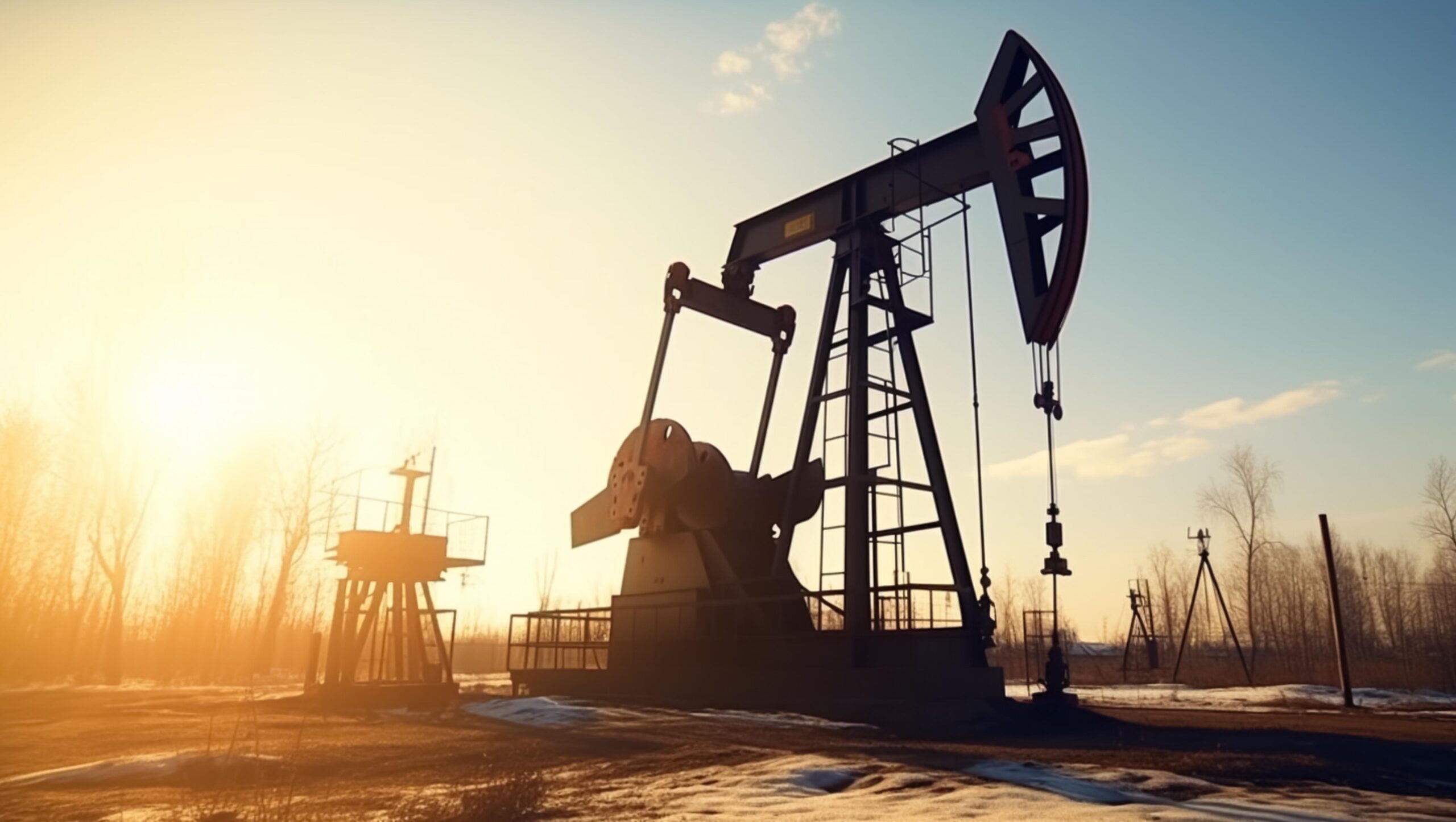
External and internal protection of large-diameter pipes. Anti-corrosion treatment of oil and petroleum product storage tanks. Protection of metal structures of drilling platforms and wind turbine supports.
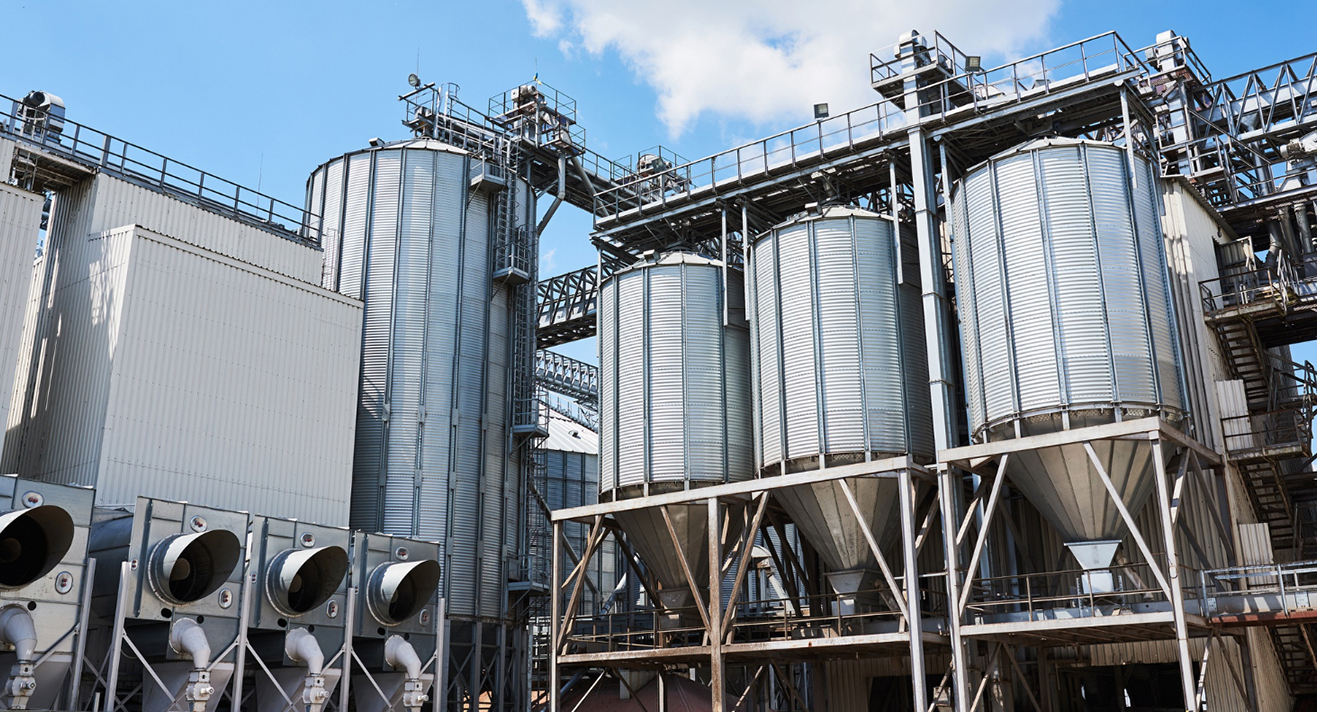
Creation of barrier layers on containers and reactors operating in weakly aggressive environments
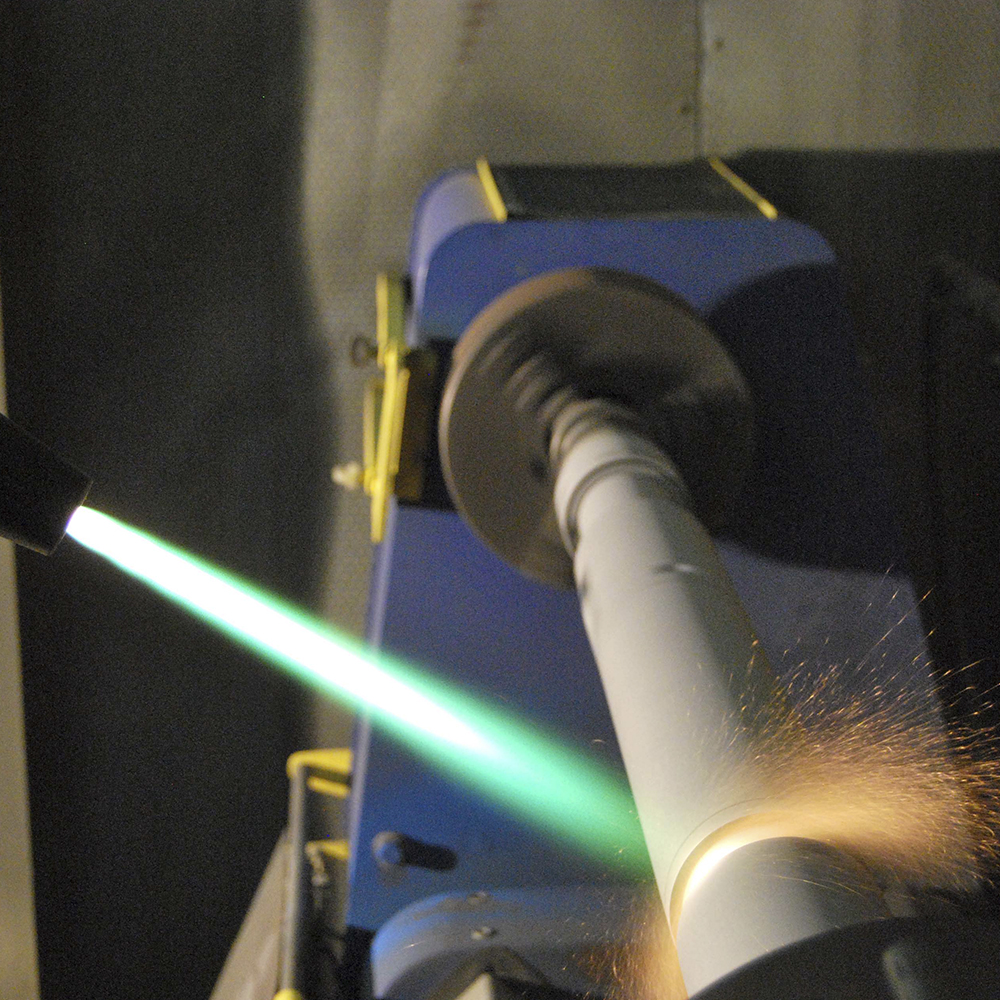
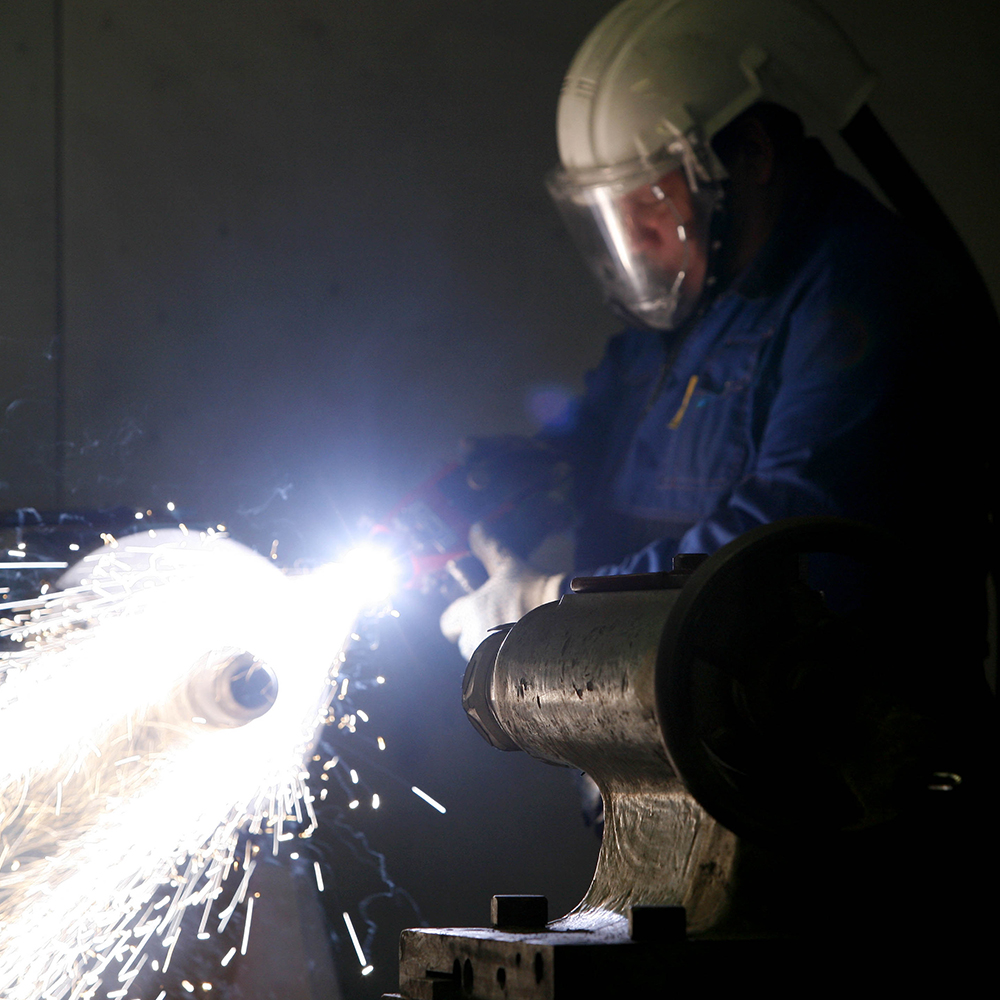
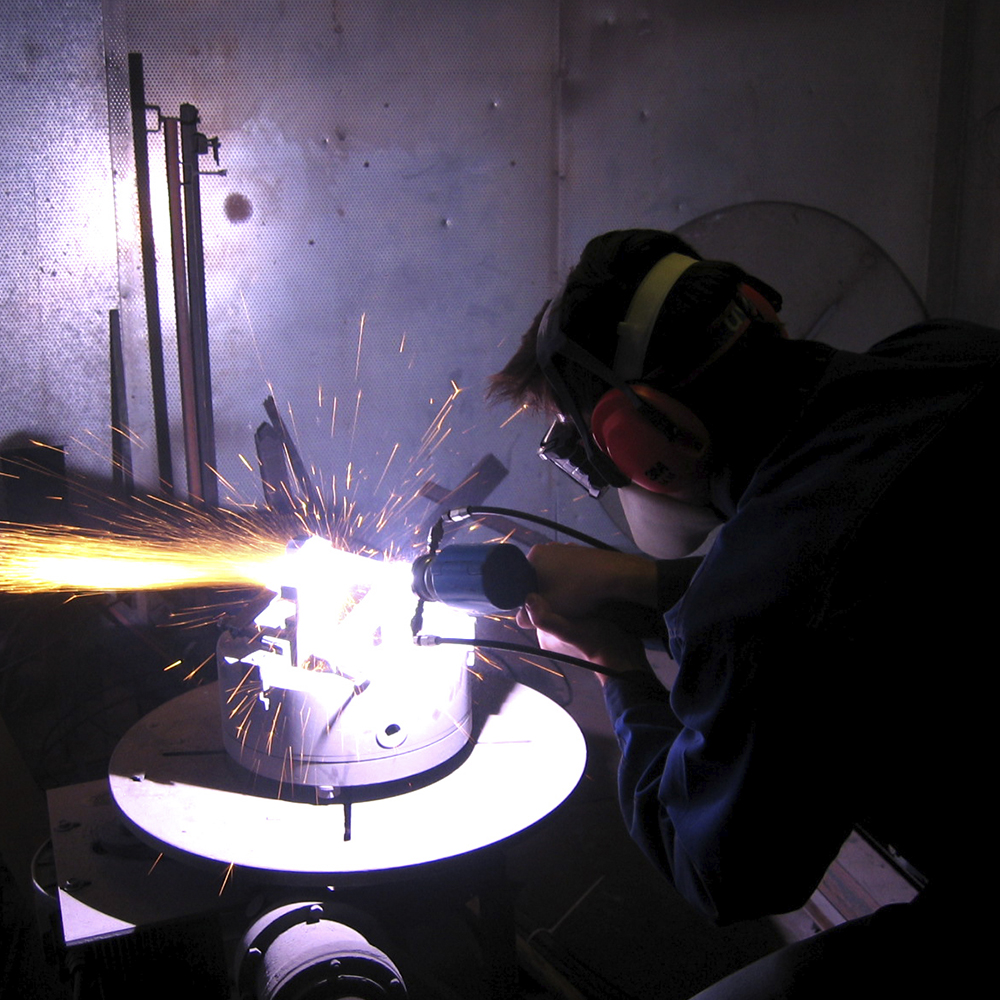
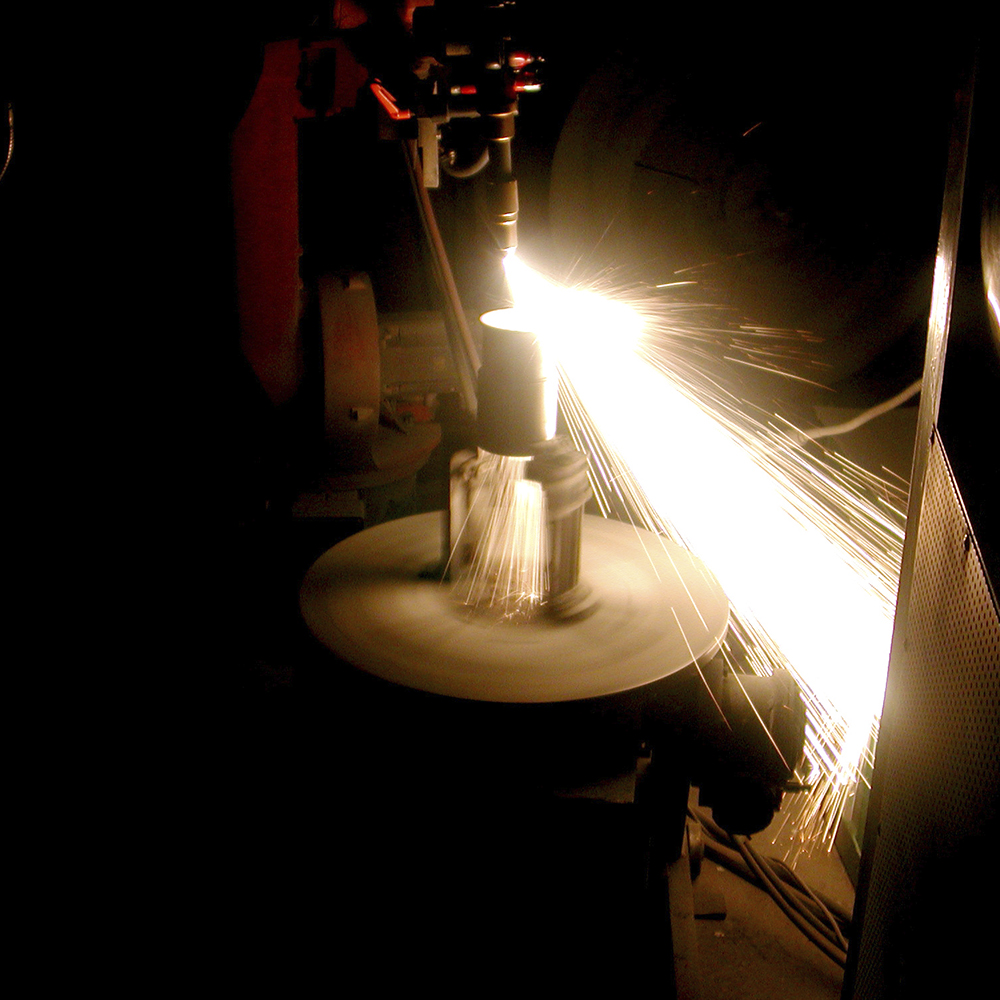
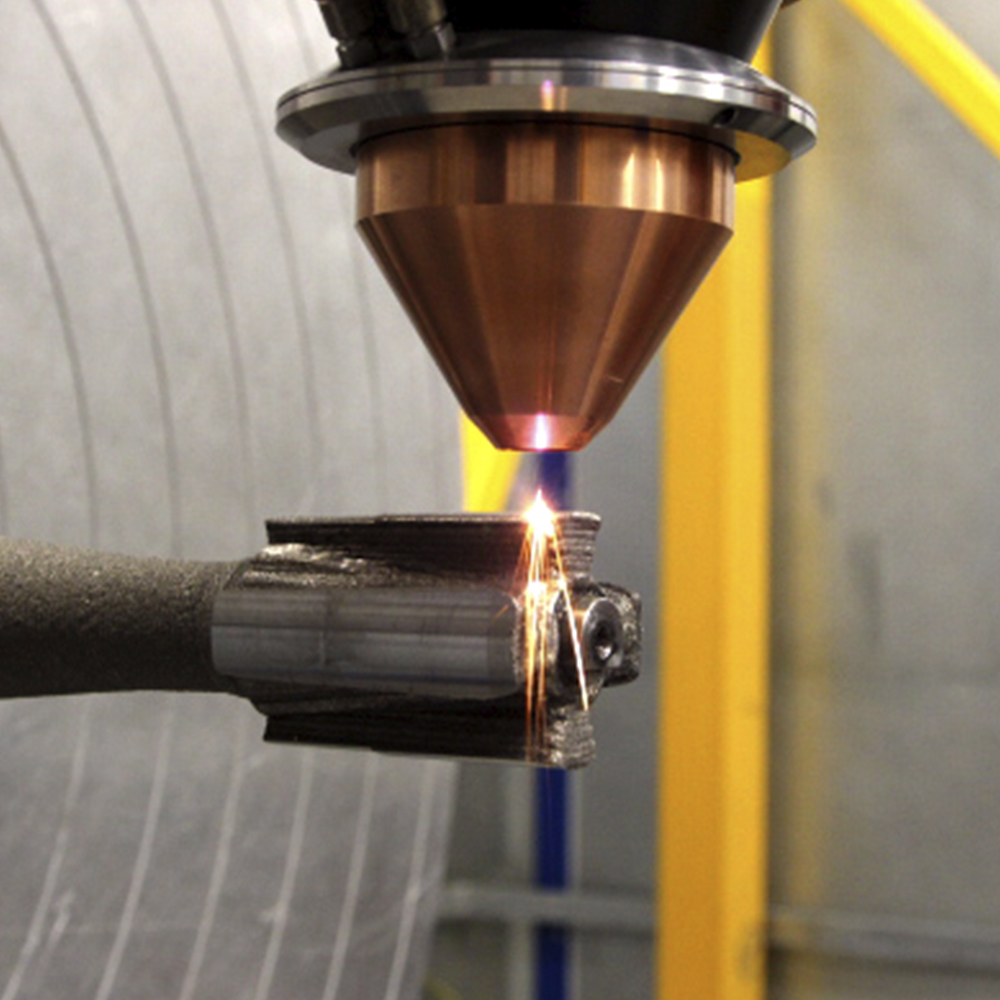
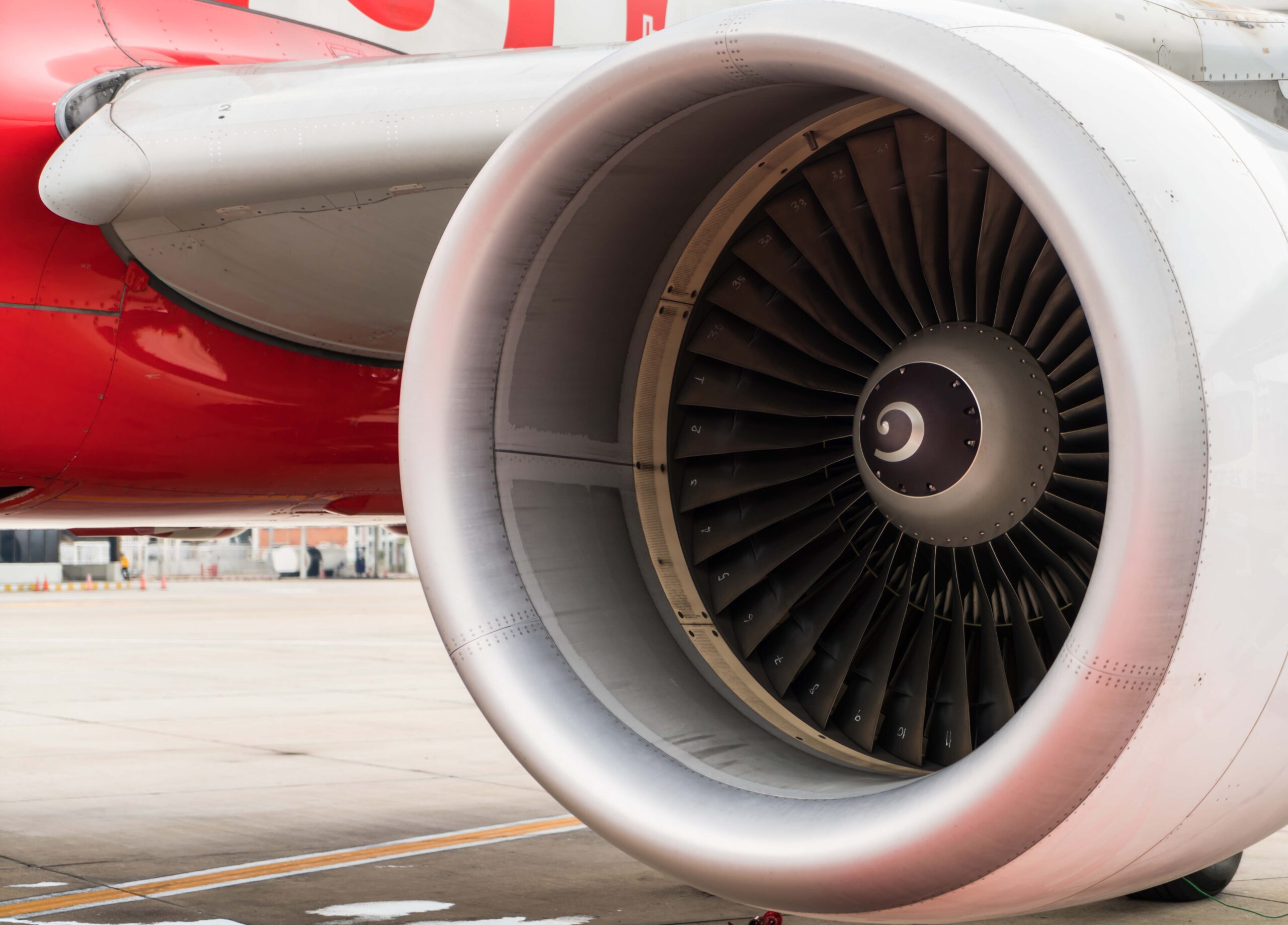
Gas turbine blades, steam turbine blades, rotors, stators, combustion chambers, heat exchangers, steam generator tubes, pumps, valves, shutters, screws, hydraulic turbine impeller, wind turbine blades, bearings, camshafts, etc.
Rollers, guides, roller conveyor rollers, mill grids, screw conveyors, feeders, conveyor chains, sieves, sieves, Mills, crushers, exhaust fan wheel, trays, dies, press molds, scissors, etc.