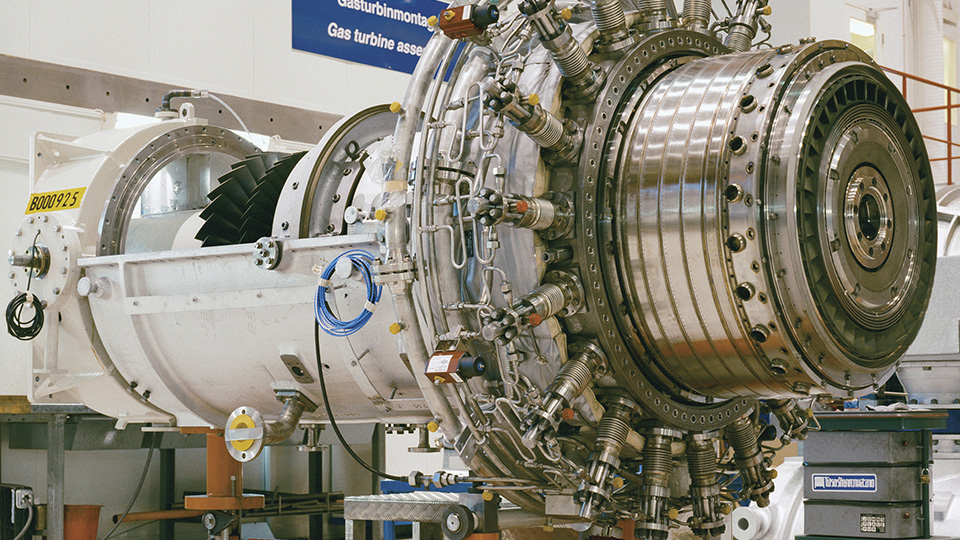
Metal microsurgery with maximum precision

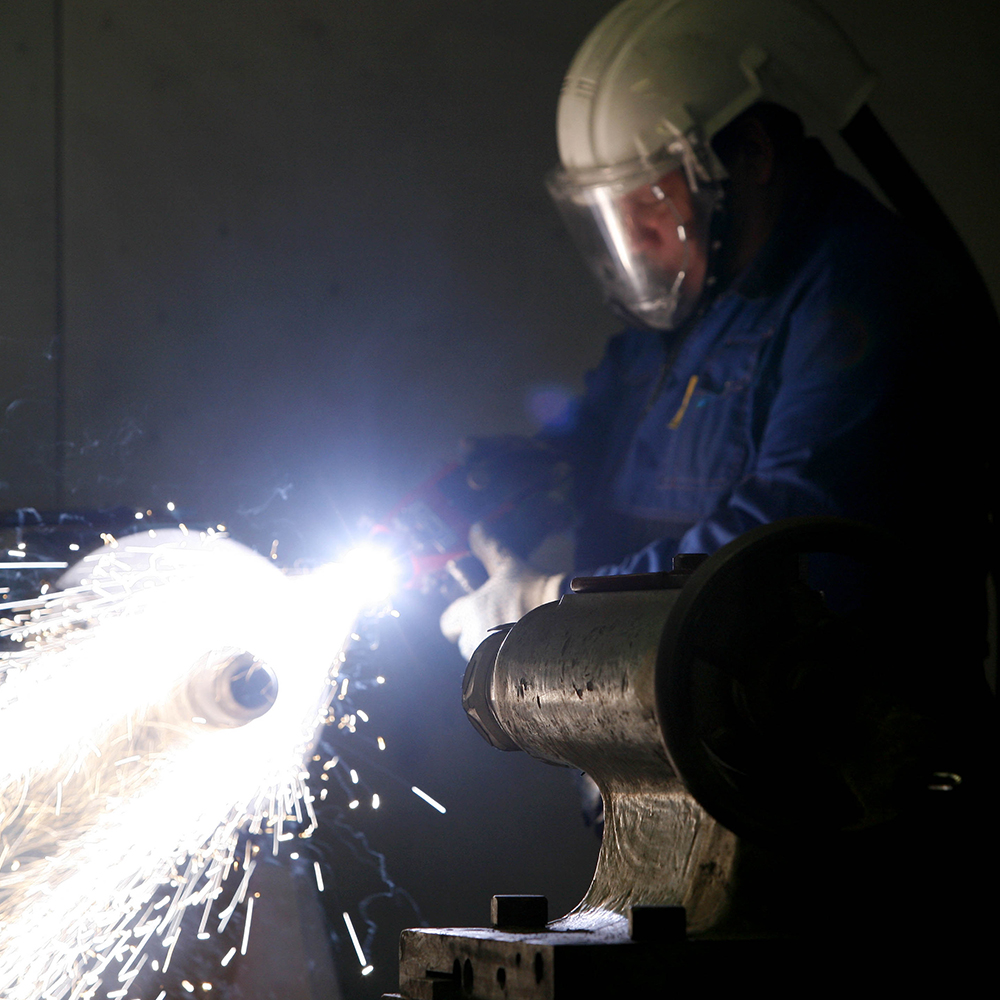
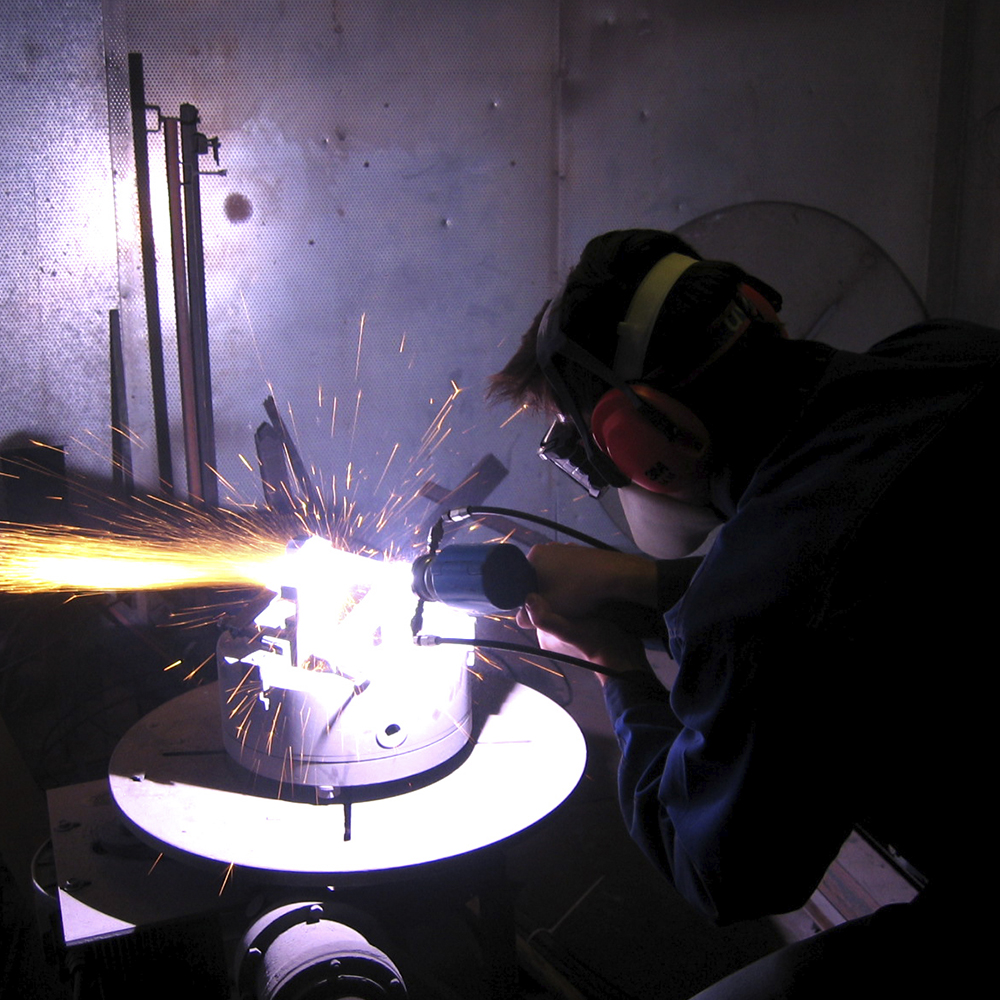
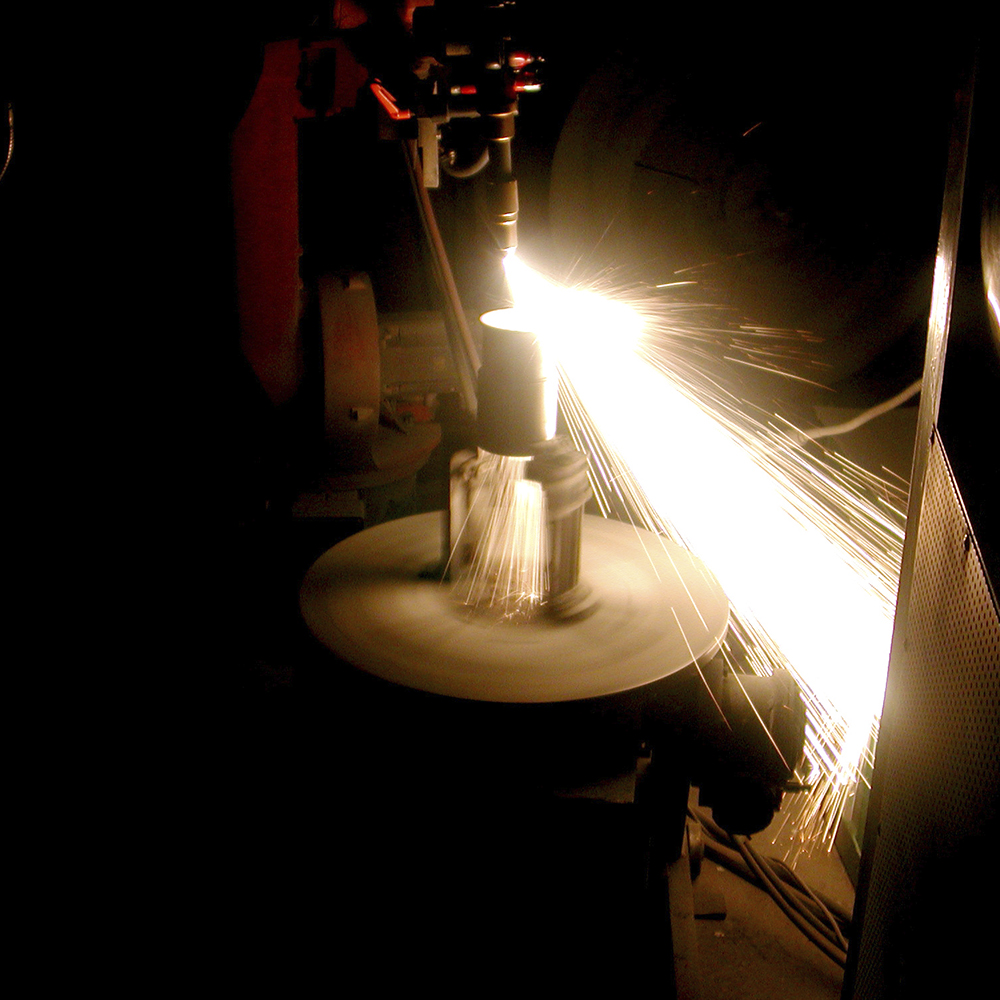
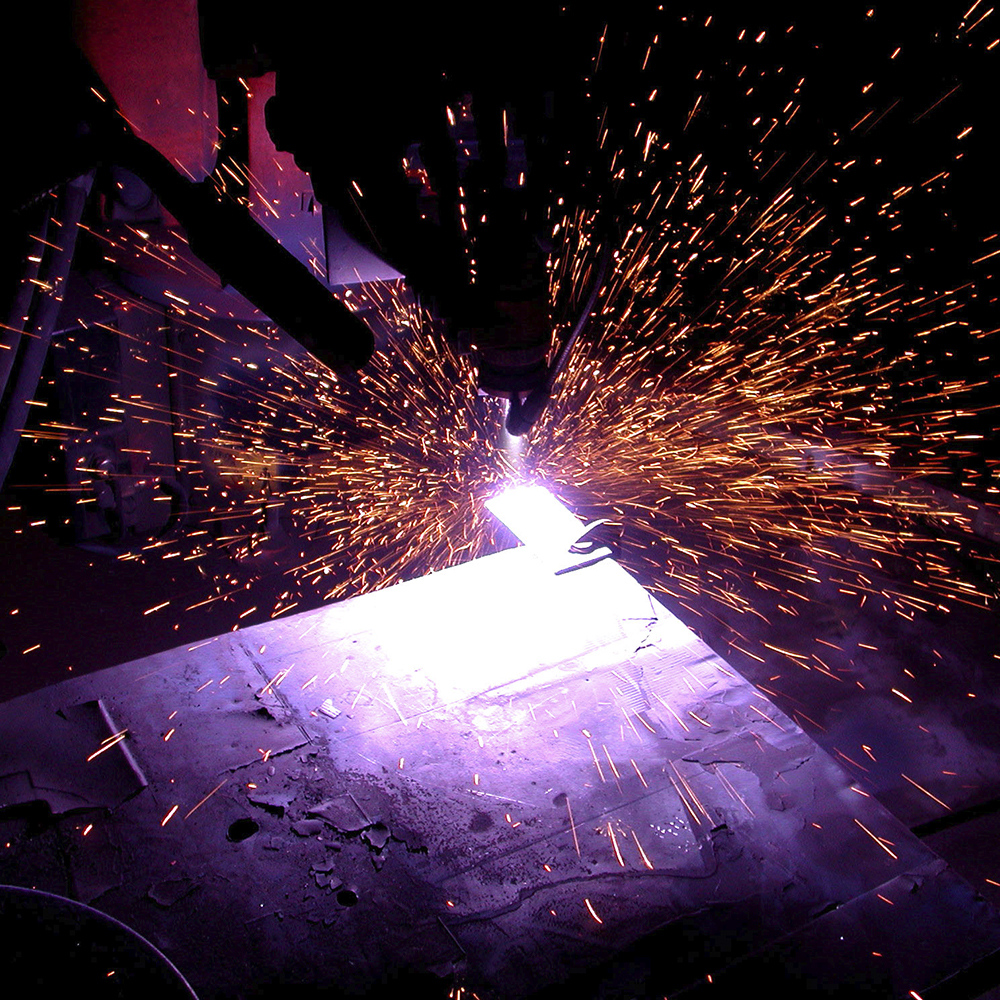
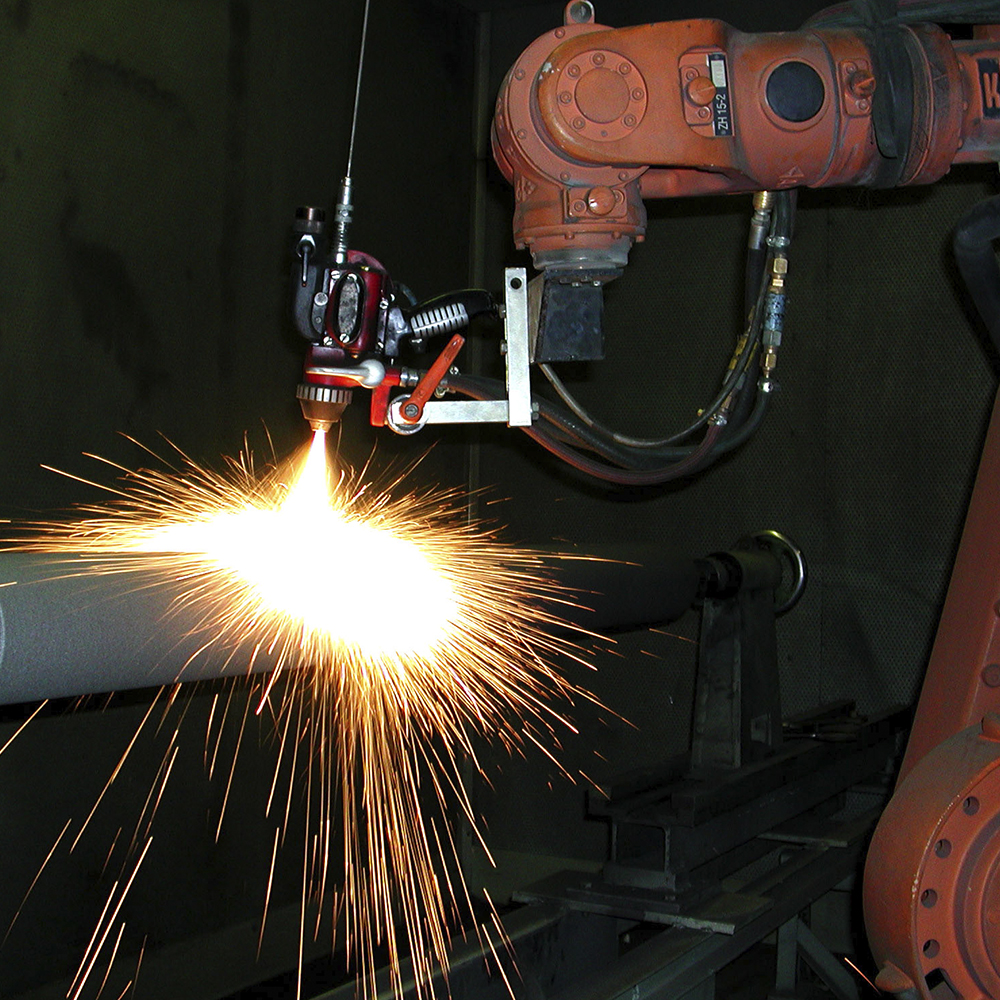
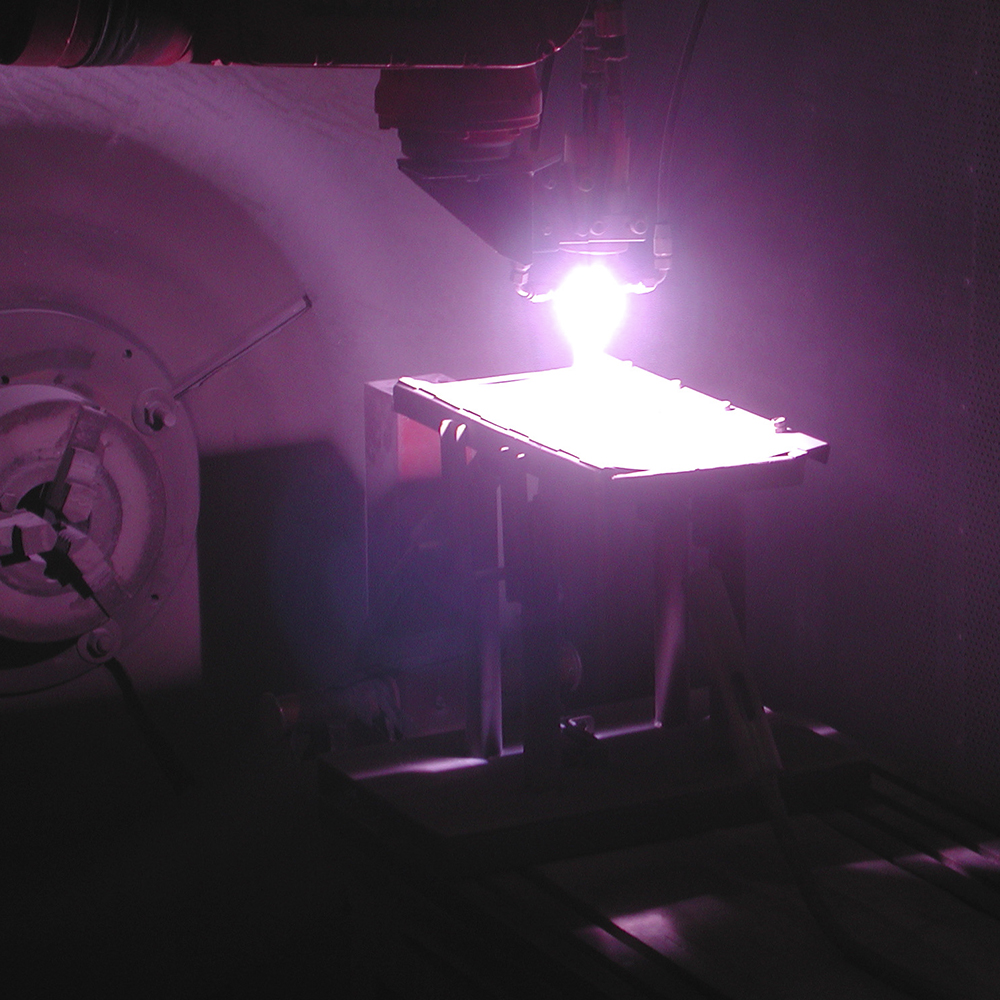
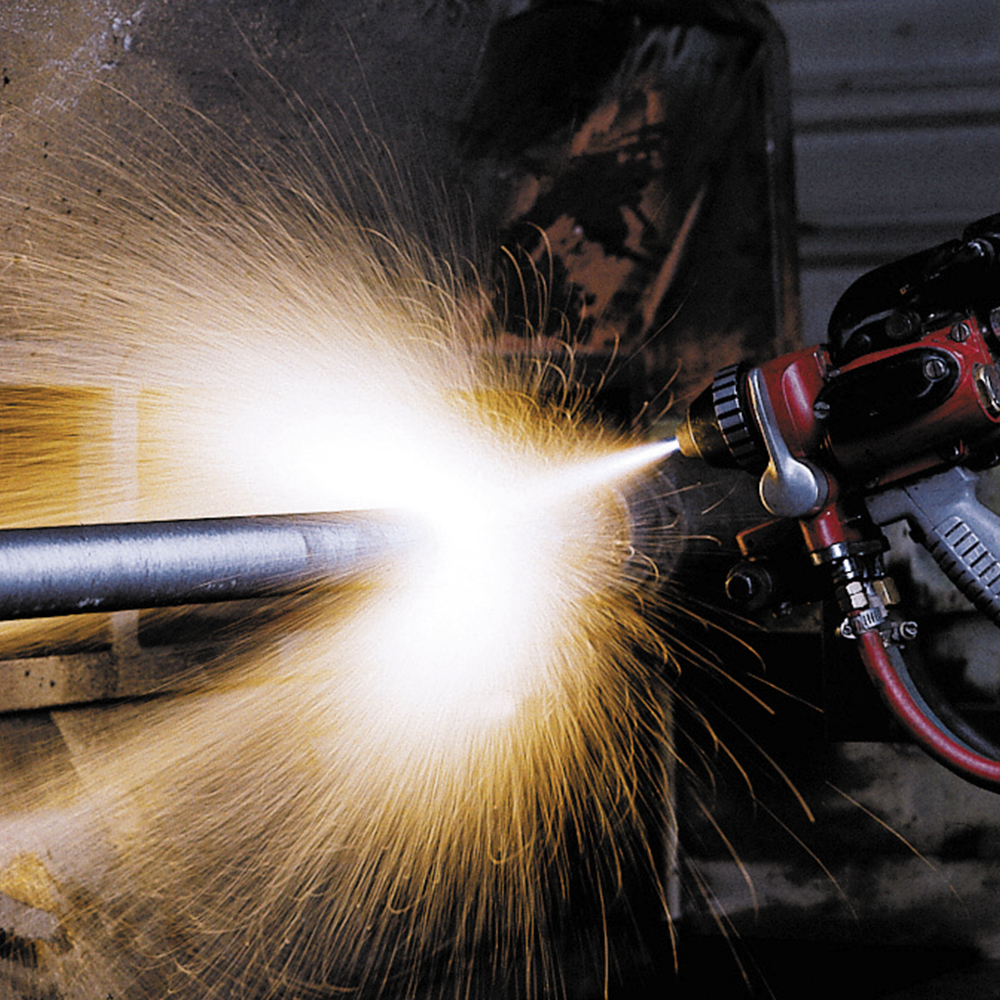
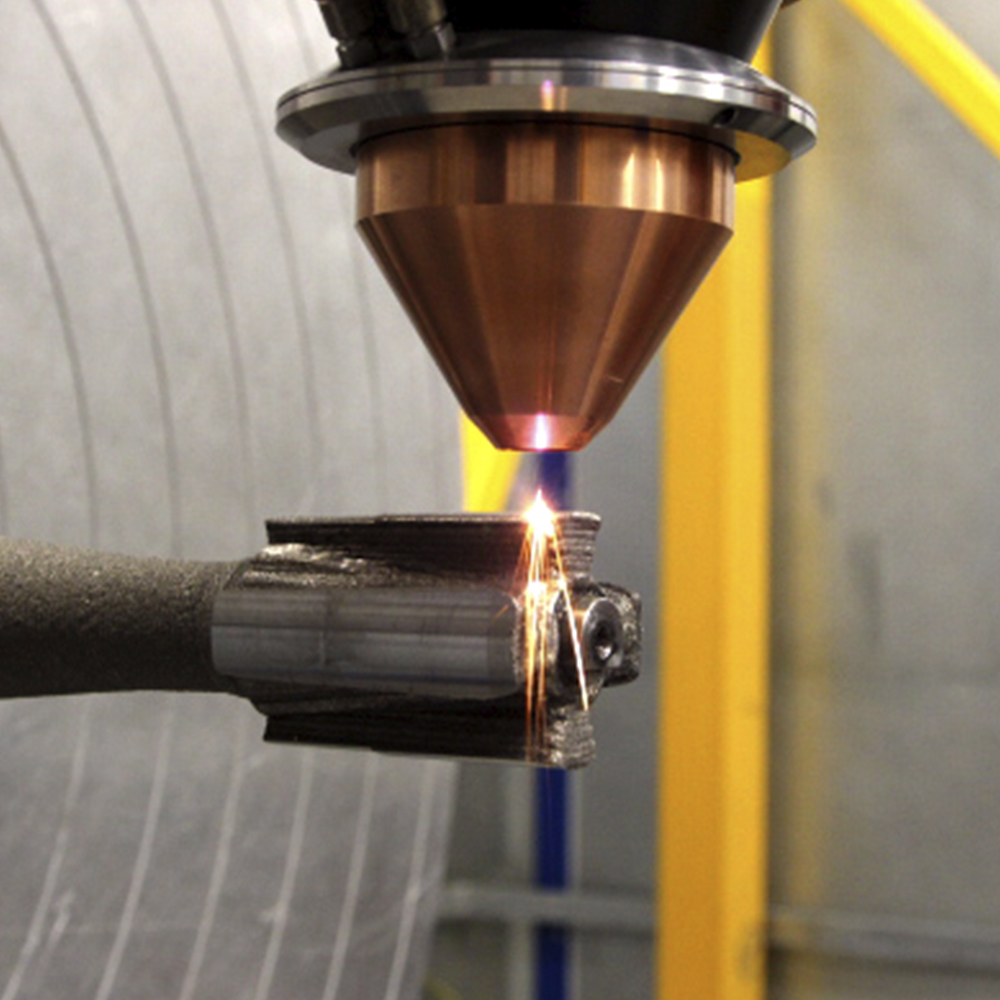
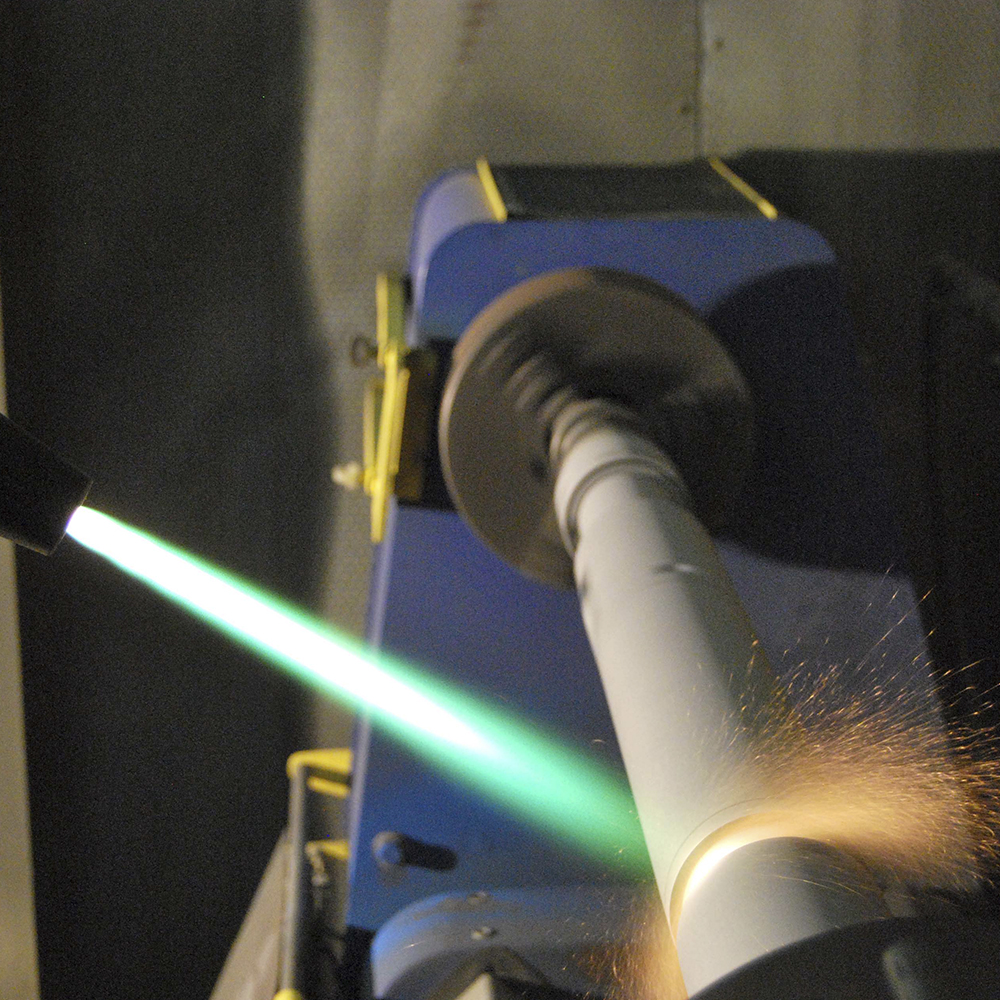
Laser cladding (Laser Cladding) is precision method of restoring and strengthening parts, in which a powerful laser beam locally melts the surface of the base and simultaneously feeds powder material. A microscopic molten pool is formed in the impact zone, into which powder (metal, carbide, or composite) is injected by a carrier gas. After crystallization, a layer forms that has a complete metallurgical bond with the base.

The technology allows not only to “heal” defects, but also to grow new geometric elements layer by layer directly on the finished part.

LC

Laser cladding

LC technology

Laser cladding solves three main engineering problems:

  • Geometry restoration: 
    Restoring the original dimensions of worn sections of shafts, seats, gear teeth and other surfaces.

  • Repair of figurine parts: 
    Possibility of processing edges, grooves and internal cavities where other surfacing methods are not applicable due to thermal influence or inaccessibility.

  • Additive growing: 
    Creating completely new metal elements or building up lost fragments (for example, broken blades, edges) without the use of traditional welding.

Why is it beneficial?

Metallurgical bond

Unlike thermal spray coatings, the deposited layer is not simply bonded, but fused to the substrate. This prevents delamination even under impact loads.

Thermal delicacy

The laser heats strictly locally. The heat-affected zone is minimal, so the part does not warp, distort, or change its structure. Ideal for thin-walled and precision parts.

Unlimited thickness

Clading can be performed layer by layer, building up any metal volume—from tens of microns to several centimeters. There are no thickness limitations.

Application sectors

Energy

Protection of steam turbine blades from vapor-droplet erosion. Stellite or Inconel surfacing of rotor blade edges.
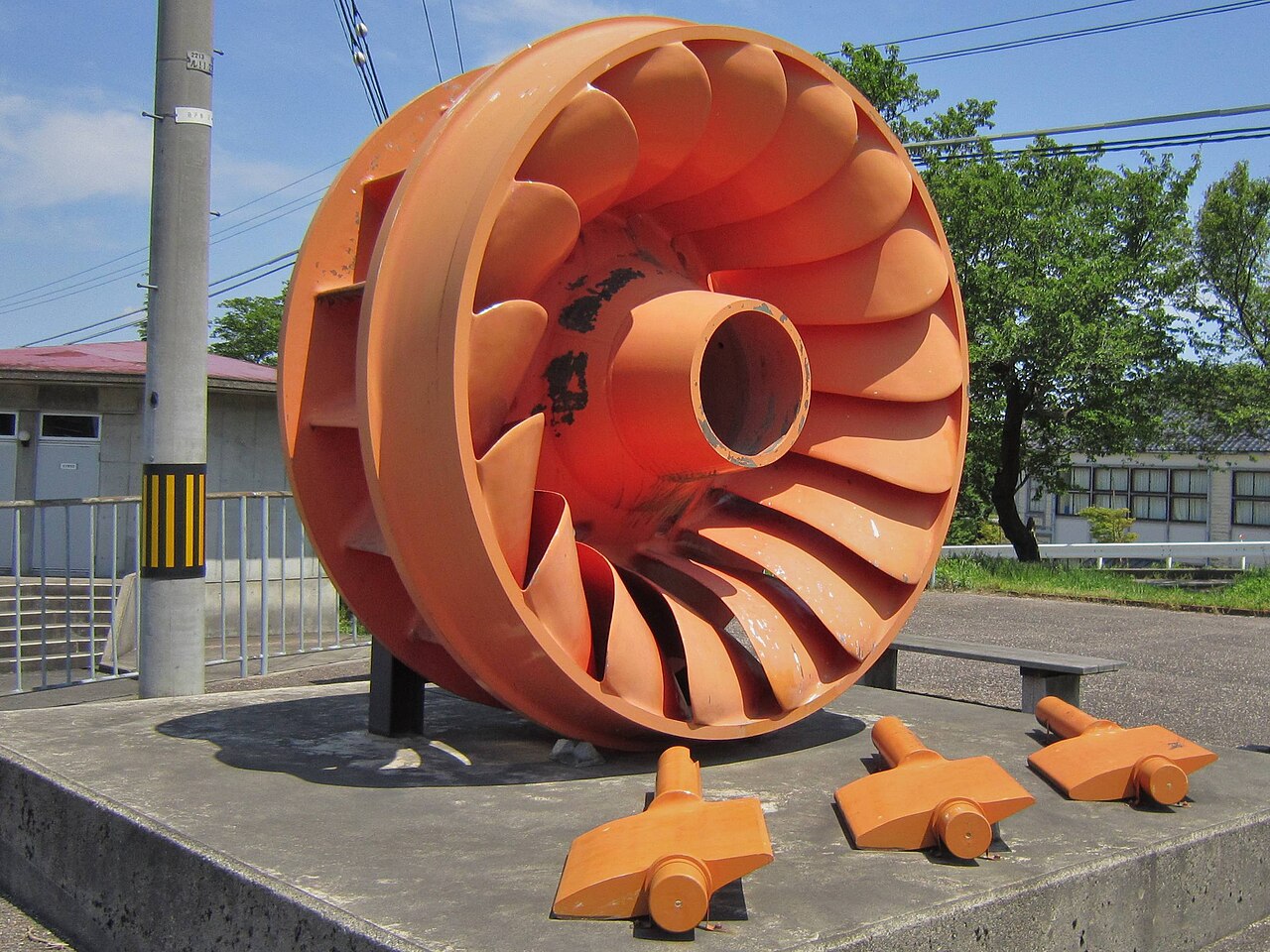
Hydraulic engineering

Restoration and protection from cavitation of hydraulic turbine blades and guide vanes.
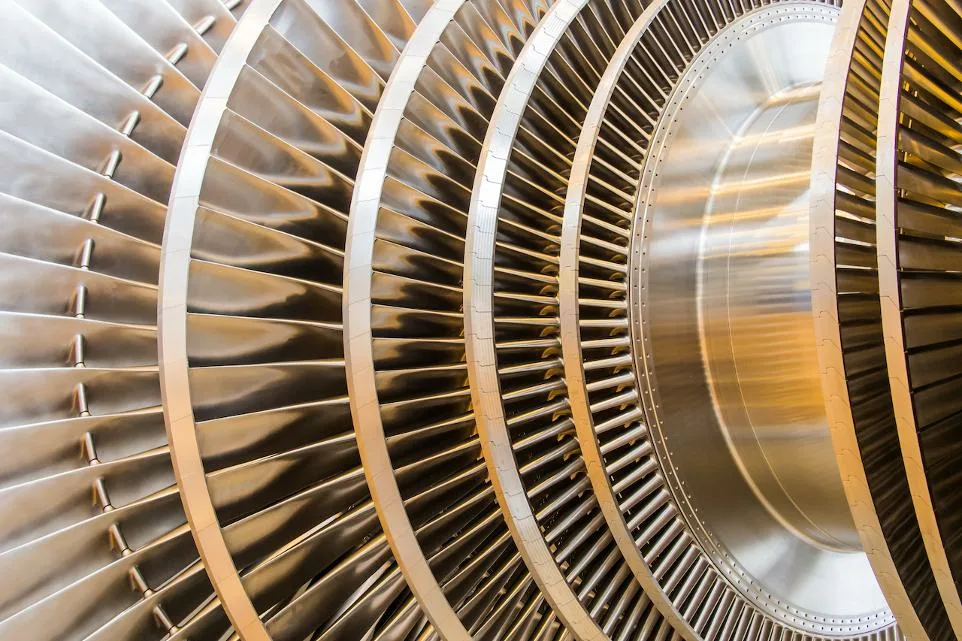
Rotary equipments

Repair of shaft journals of turbines, compressors, pumps without decommissioning the equipment (on site).
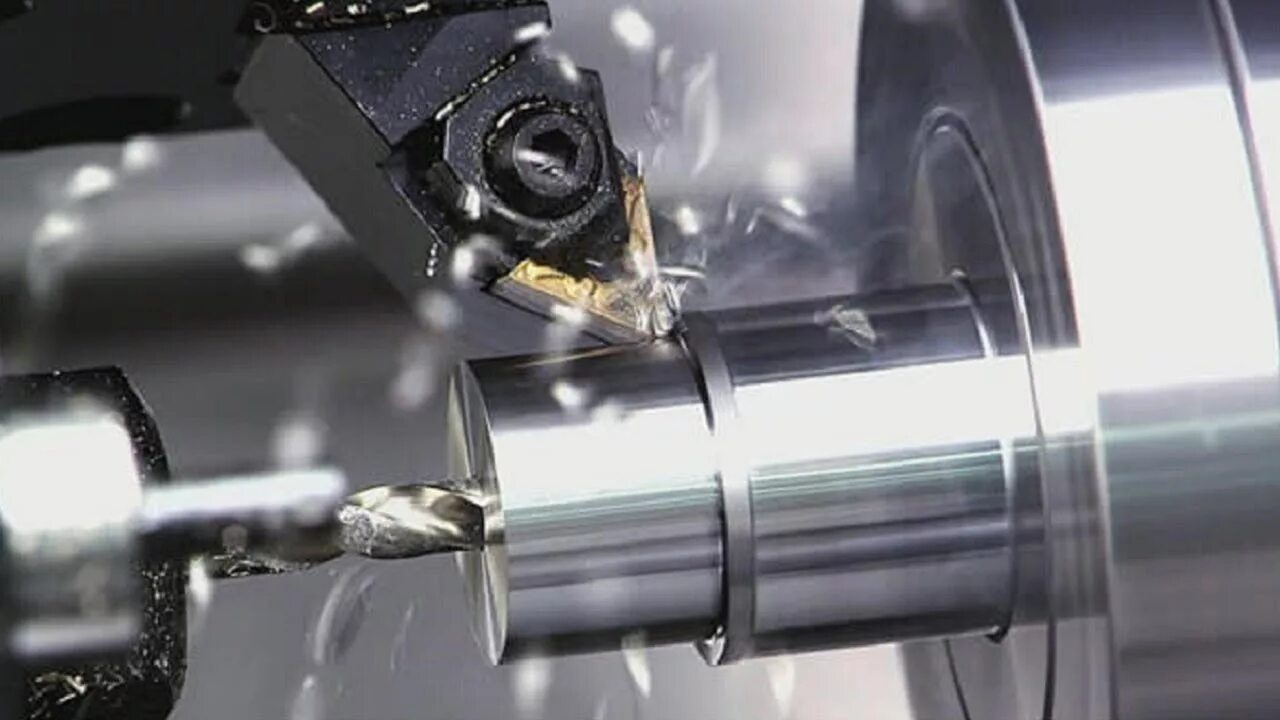
Tool-making facilities

Strengthening of cutting tools (milling cutters, cutters, dies) with hard alloy compounds to increase durability.
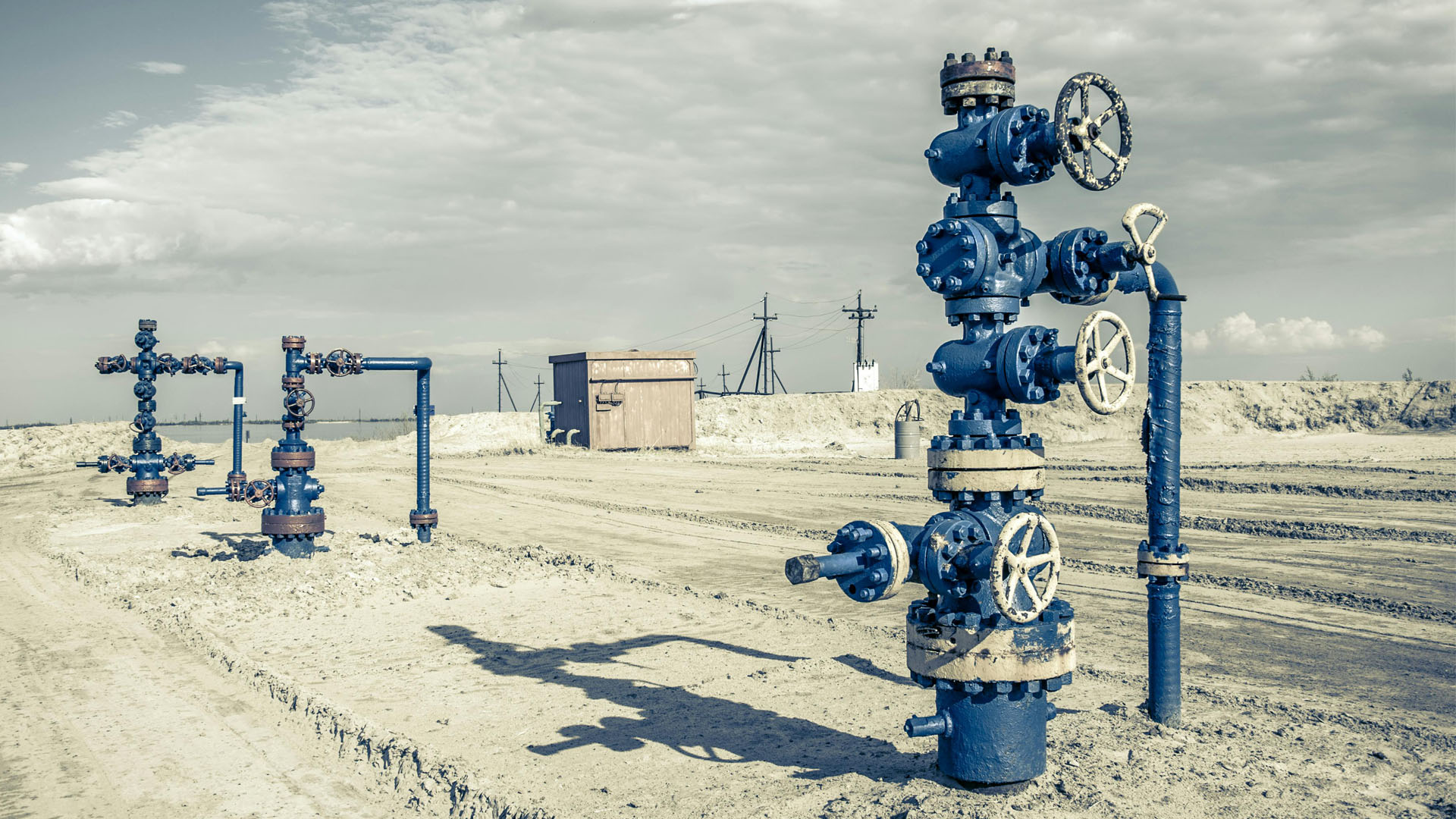
Check valves

Creating wear-resistant coatings on seats, shutters and wedges of gate valves operating in abrasive environments.
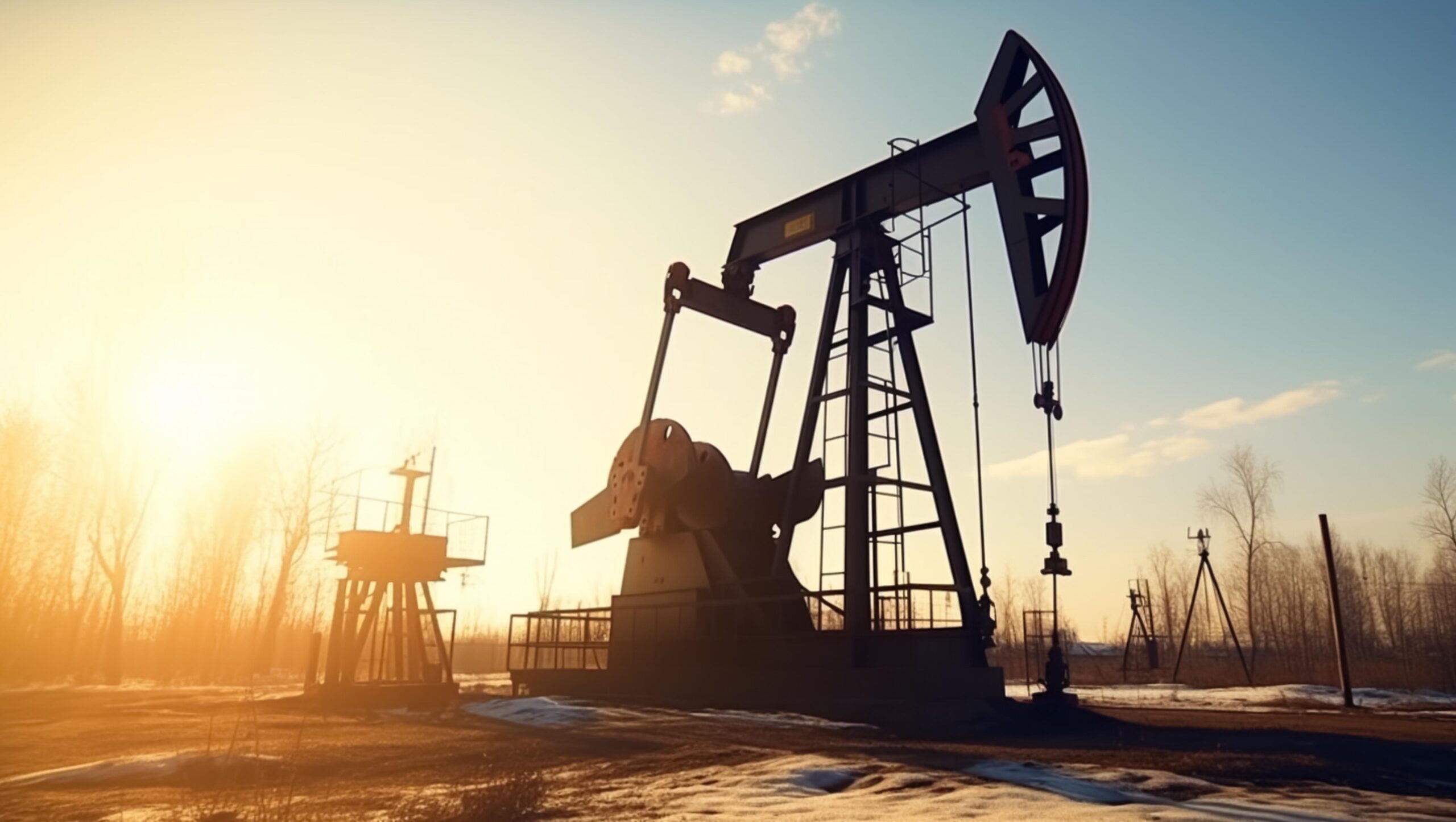
Oil and gas equipment

Restoration of augers, screw pumps, and drill bit parts.
Advantages of the method

Access to remote places

Due to fiber optics, laser beam can be delivered into the narrowest and deepest cavities. The device can be located hundreds of meters from the part, allowing for welding of large objects without dismantling.                                                         

Functionality of coatings

The cladding material is selected based on specific operating conditions: wear resistance, heat resistance, impact resistance, and corrosion protection. Composite layers with carbides and intermetallic compounds can be created.

Standard parts

Send technical enquiry

Please, send your contact details with technical enquiry and we recall you within 15 minutes

Contacts

E-mail us, we are online