
Absolute metal protection technology

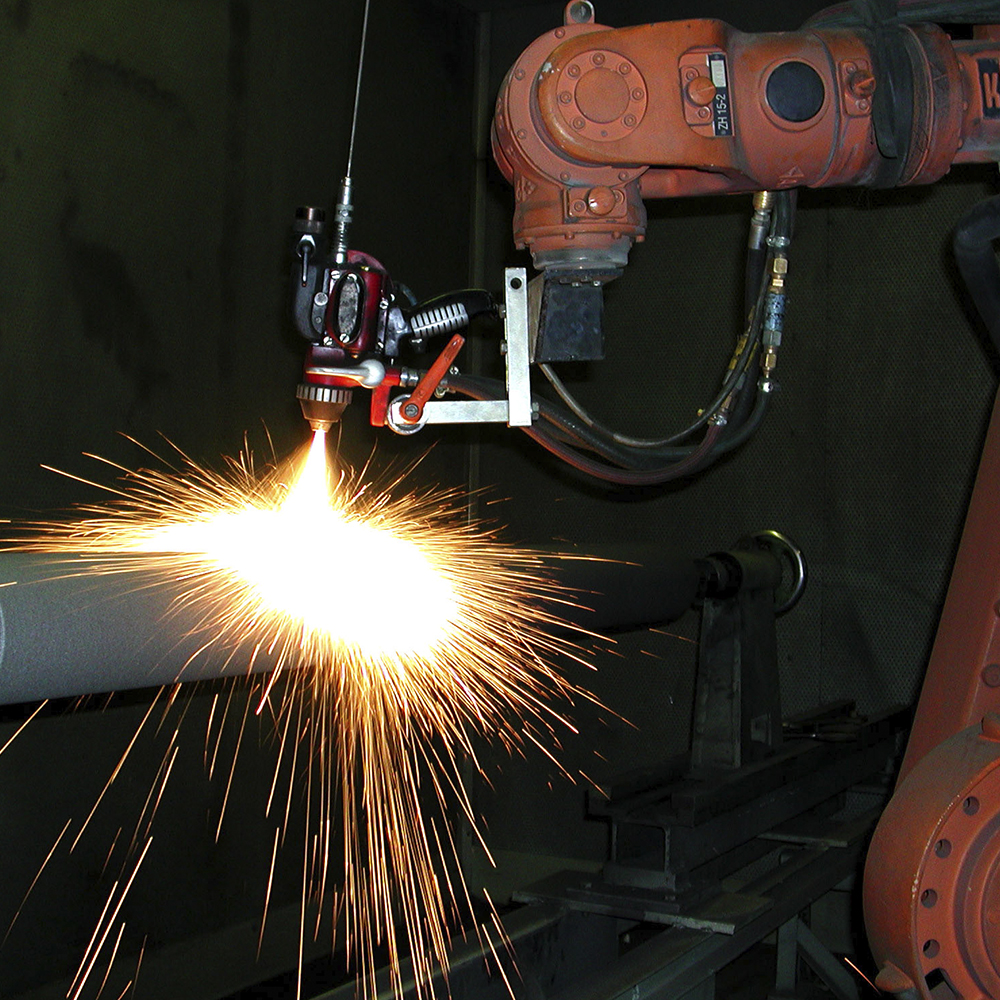
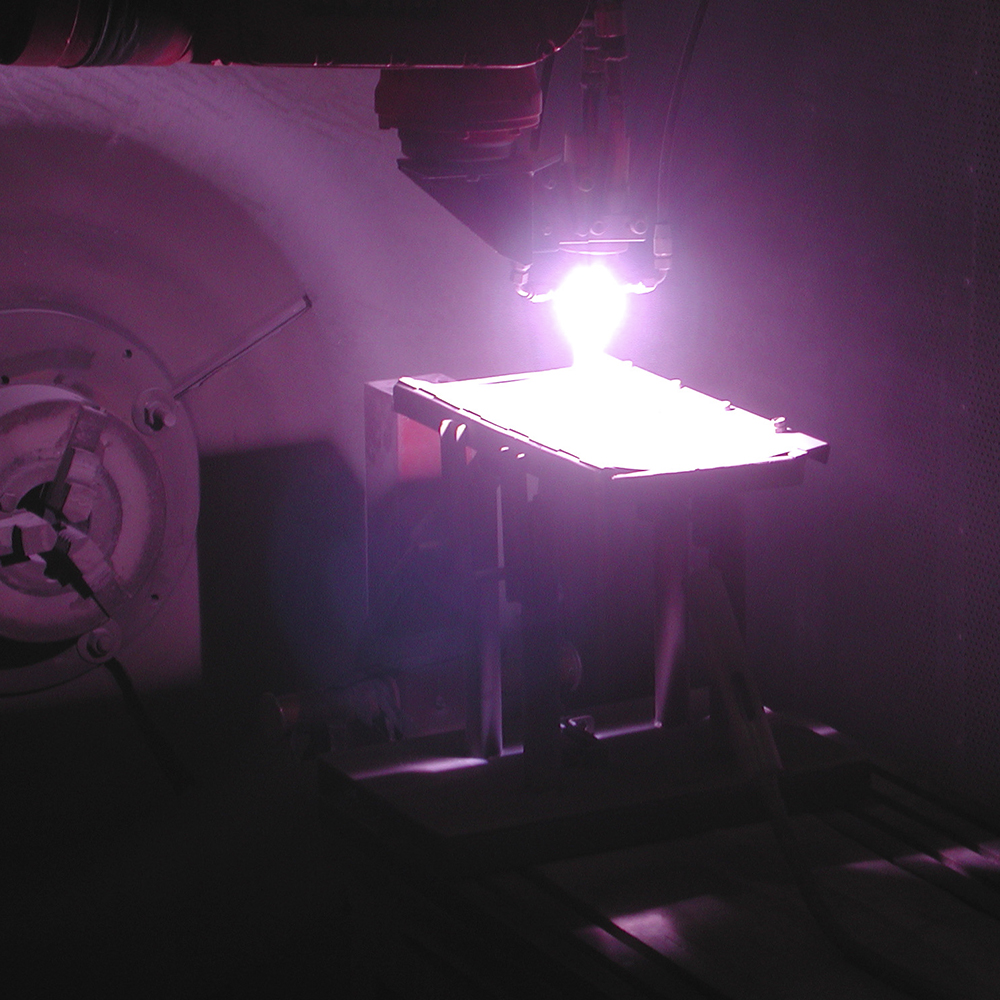
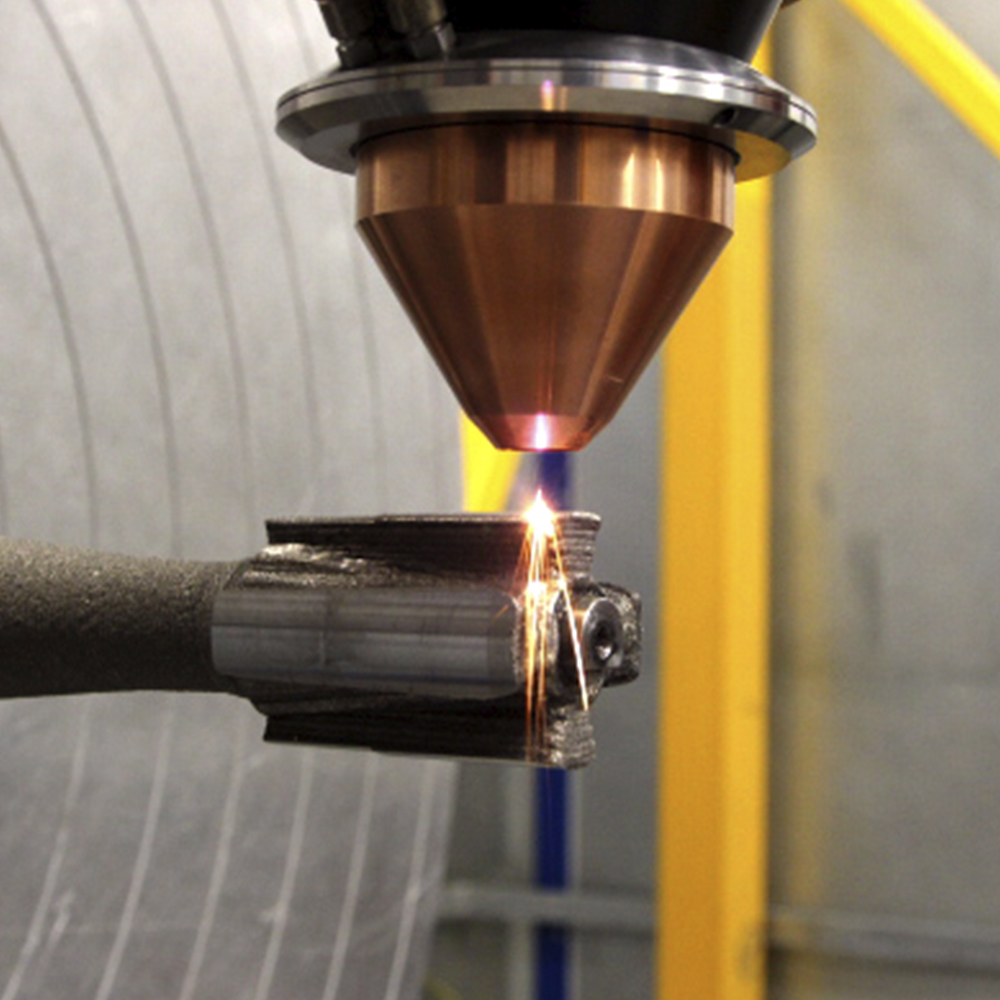
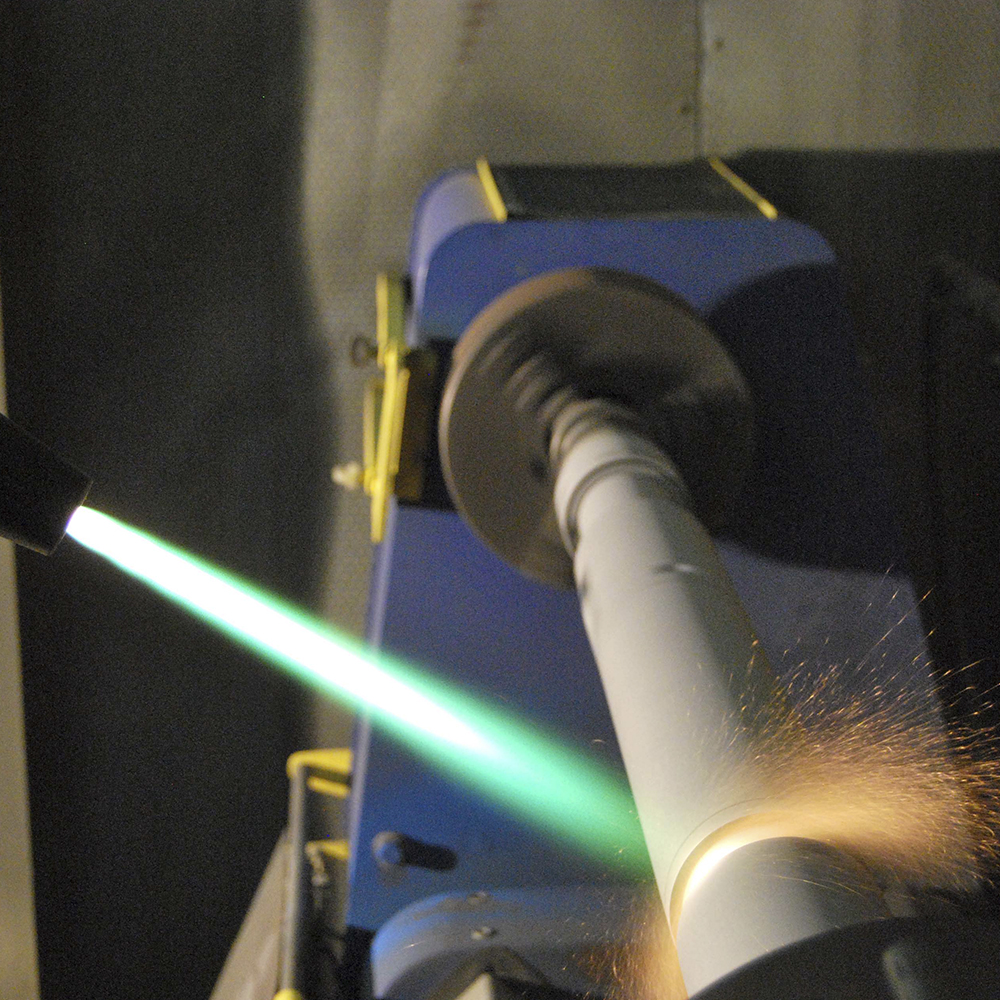
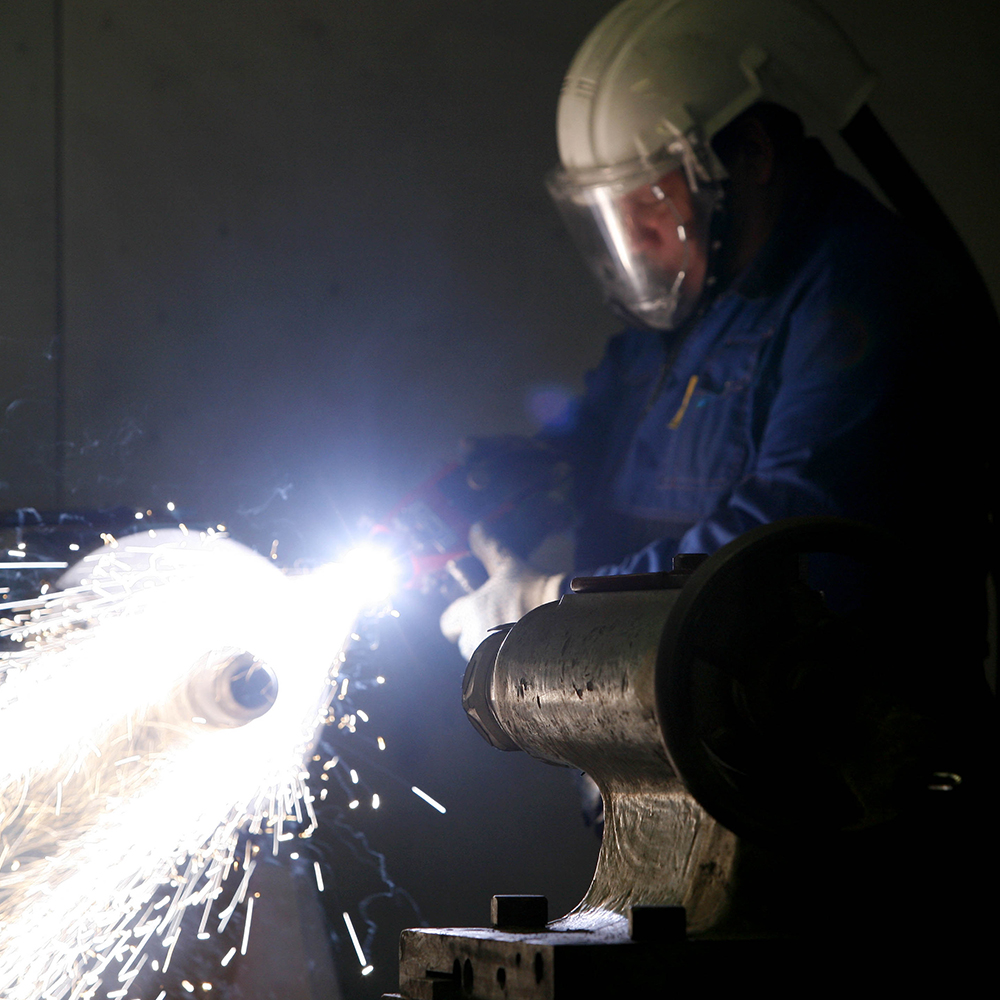
The HVOF (High Velocity Oxygen Fuel) method is based on the use of a supersonic gas flow formed during the combustion of a fuel mixture in an oxygen environment. This jet acts both as a heat source and an accelerator for the particles of the sprayed material.
Unlike traditional methods, detonation of the fuel mixture occurs continuously, which allows tungsten-carbide powder or other hard alloys to accelerate to speeds of 750 m/s and higher.

The particles reach the surface of the part in a plastic state, forming a layer with unique characteristics.

HVOF/HVAF

High-speed spraying

HVOF Technology

Industrial solution for extreme operating conditions:

  • Surface hardening: 
    Creating a tungsten carbide “shell” that is resistant to abrasive wear.

  • Heat resistance: 
    Protection of parts operating at critical temperatures.

  • Anti-corrosion barrier: 
    Complete isolation of the base metal from the aggressive environment.

Evolution of the method

HVOF/HVAF

This is a symbiosis of the best qualities of two technologies: the continuity of gas flame spraying and the high quality of detonation spraying.

How does this work?

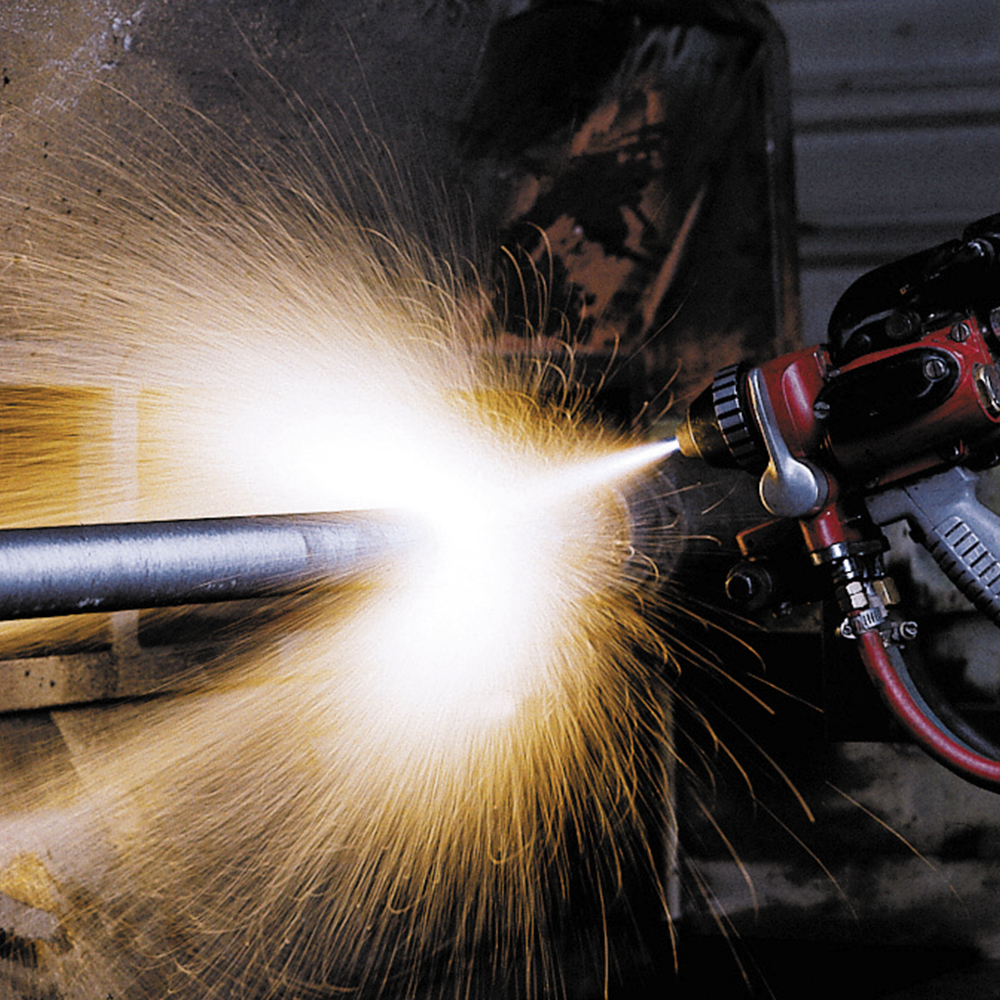
Acetylene is mixed with oxygen and nitrogen (the carrier gas), forming a flame with a temperature of up to 2700°C. Powder particles passing through this nozzle are accelerated to supersonic speeds (750 m/s) and literally “welded” into the surface of the part from a distance of 100–120 mm.

Application sectors

Housing and communal services

Bridge structures, transmission line supports, housing and communal services elements (water tanks, gas holders), corrosion protection of road barriers and building metal structures

Shipbuilding

Ship hulls, hydroturbines, locks, dam gates, and dock components. Aluminum coatings are essential for protection against seawater.

Aviation and space

External and internal protection of large-diameter pipes. Anti-corrosion treatment of oil and petroleum product storage tanks. Protection of metal structures of drilling platforms and wind turbine supports.

Chemical industry

Creation of barrier layers on containers and reactors operating in weakly aggressive environments

Energy industry

Gas turbine blades, steam turbine blades, rotors, stators, combustion chambers, heat exchangers, steam generator tubes, pumps, valves, shutters, screws, hydraulic turbine impeller, wind turbine blades, bearings, camshafts, etc.
Metallurgy

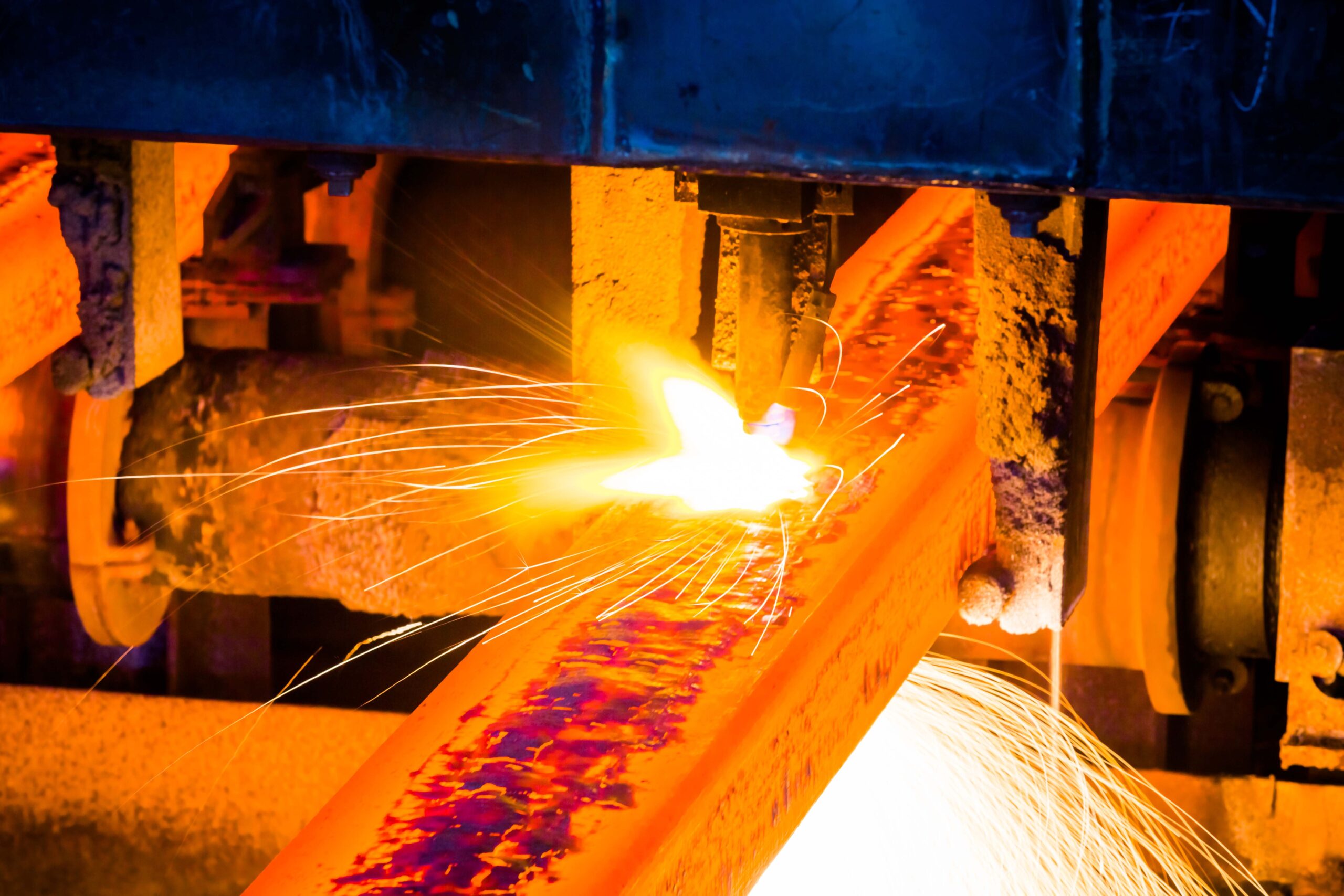
Rollers, guides, roller conveyor rollers, mill grids, screw conveyors, feeders, conveyor chains, sieves, sieves, Mills, crushers, exhaust fan wheel, trays, dies, press molds, scissors, etc.
Advantages of HVOF

Micron precision

The ability to apply a layer with minimal allowances, which reduces material consumption and part weight.

Record adhesion

The adhesion to the substrate reaches levels that are impossible for conventional electroplating.

"Zero" porosity

The coating works as a monolith, preventing corrosion from reaching the body of the part.

Standard parts

Send technical enquiry

Please, send your contact details with technical enquiry and we recall you within 15 minutes

Contacts

E-mail us, we are online