
A universal solution for protection

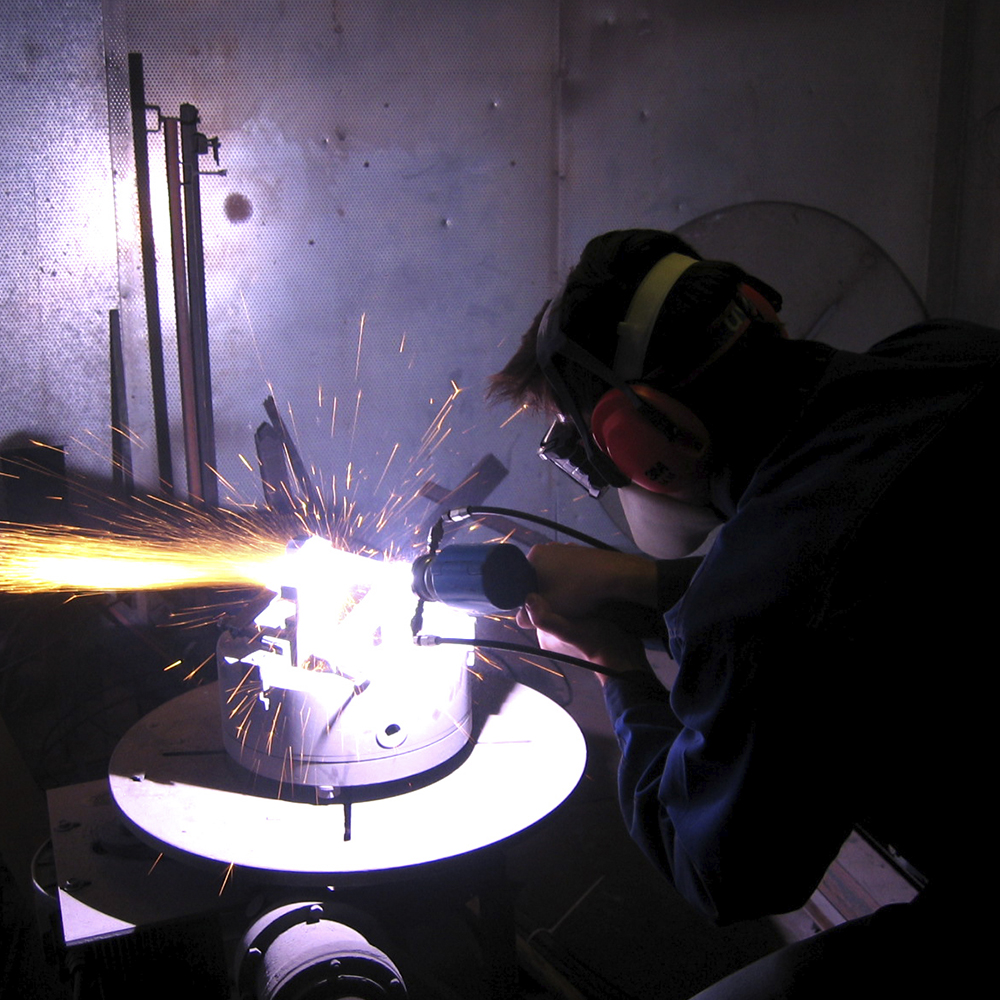
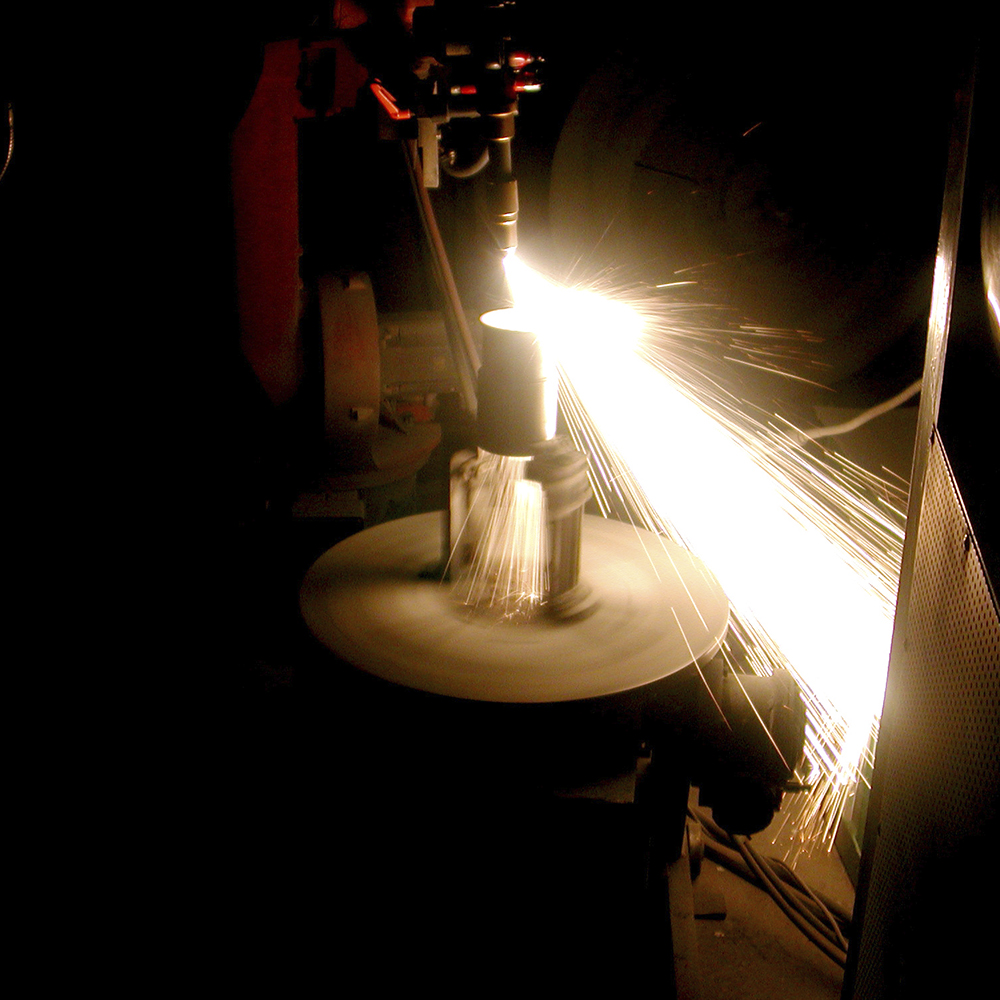
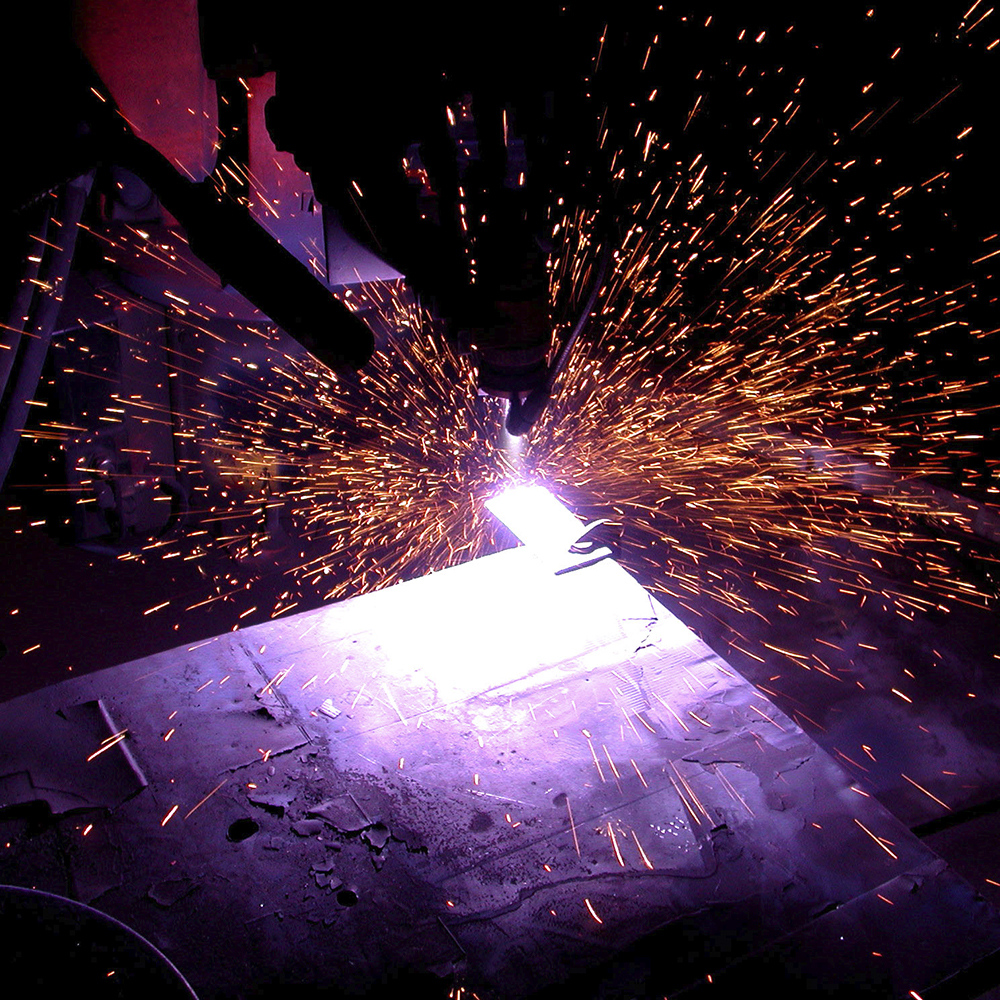
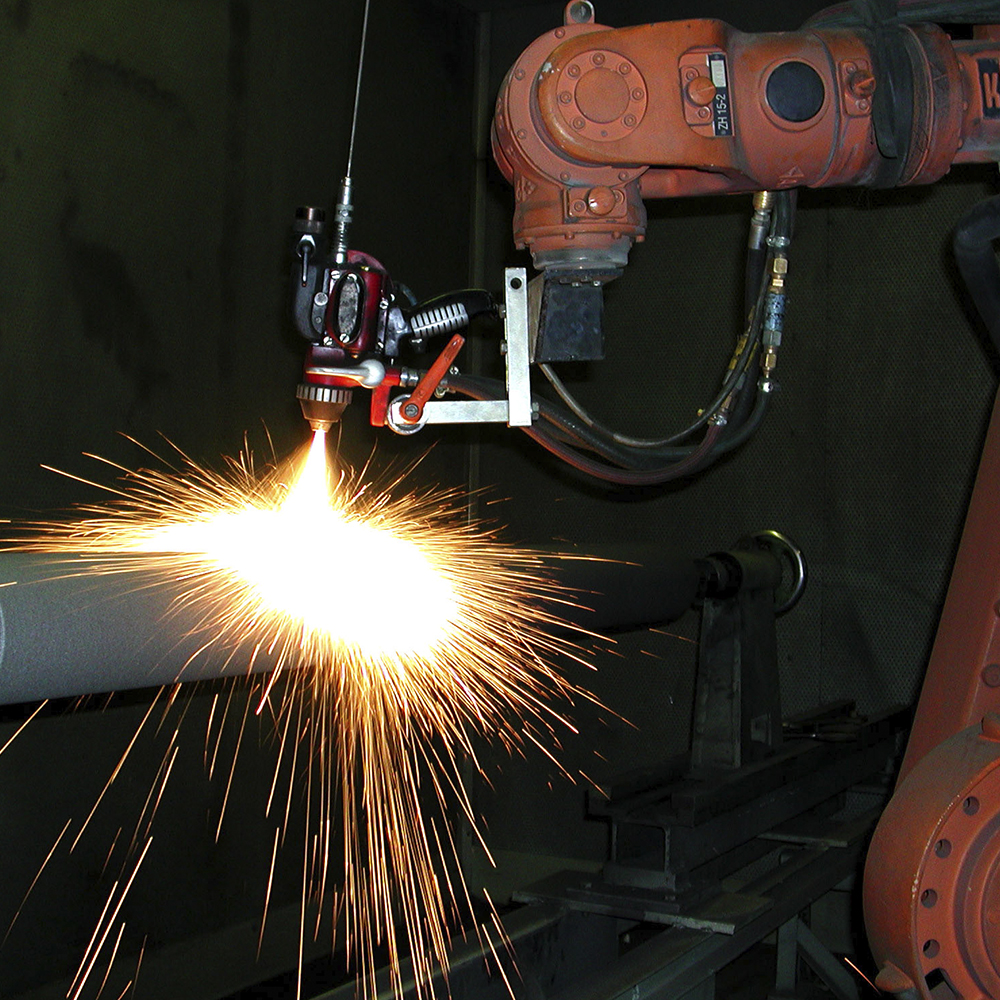
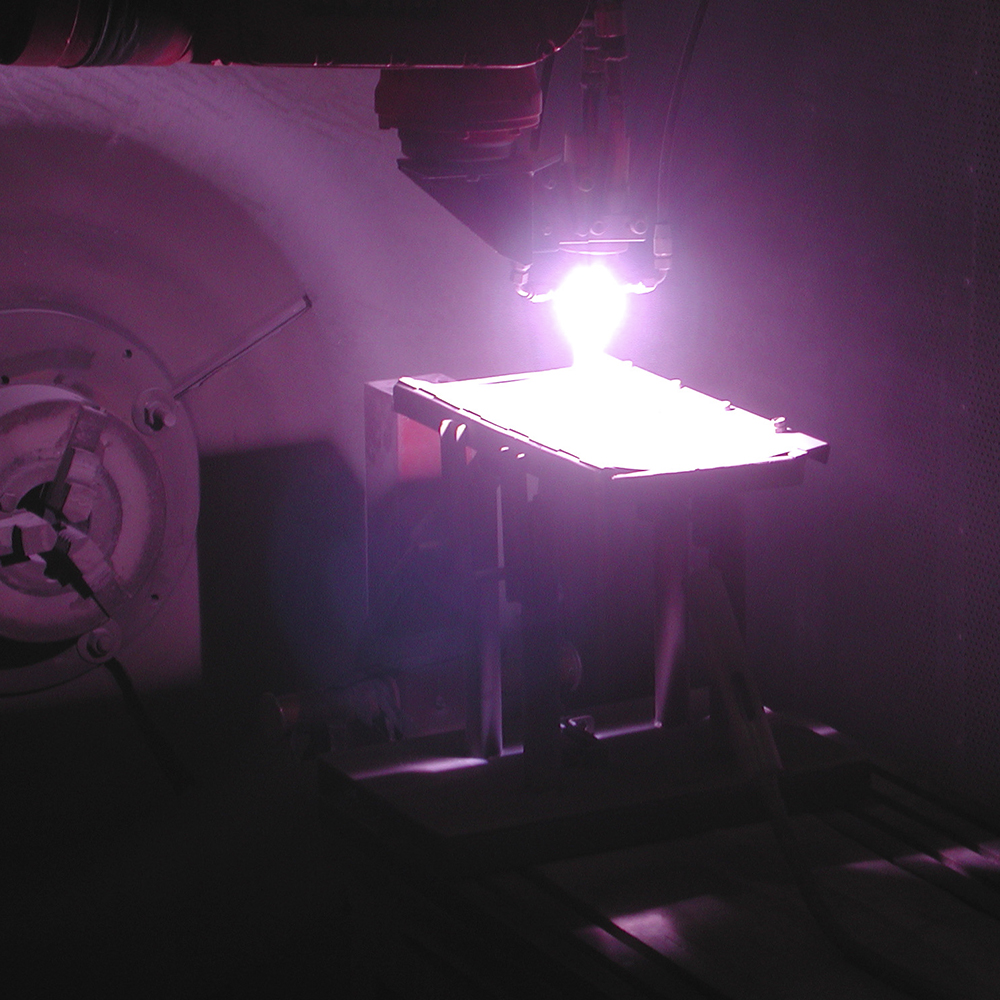
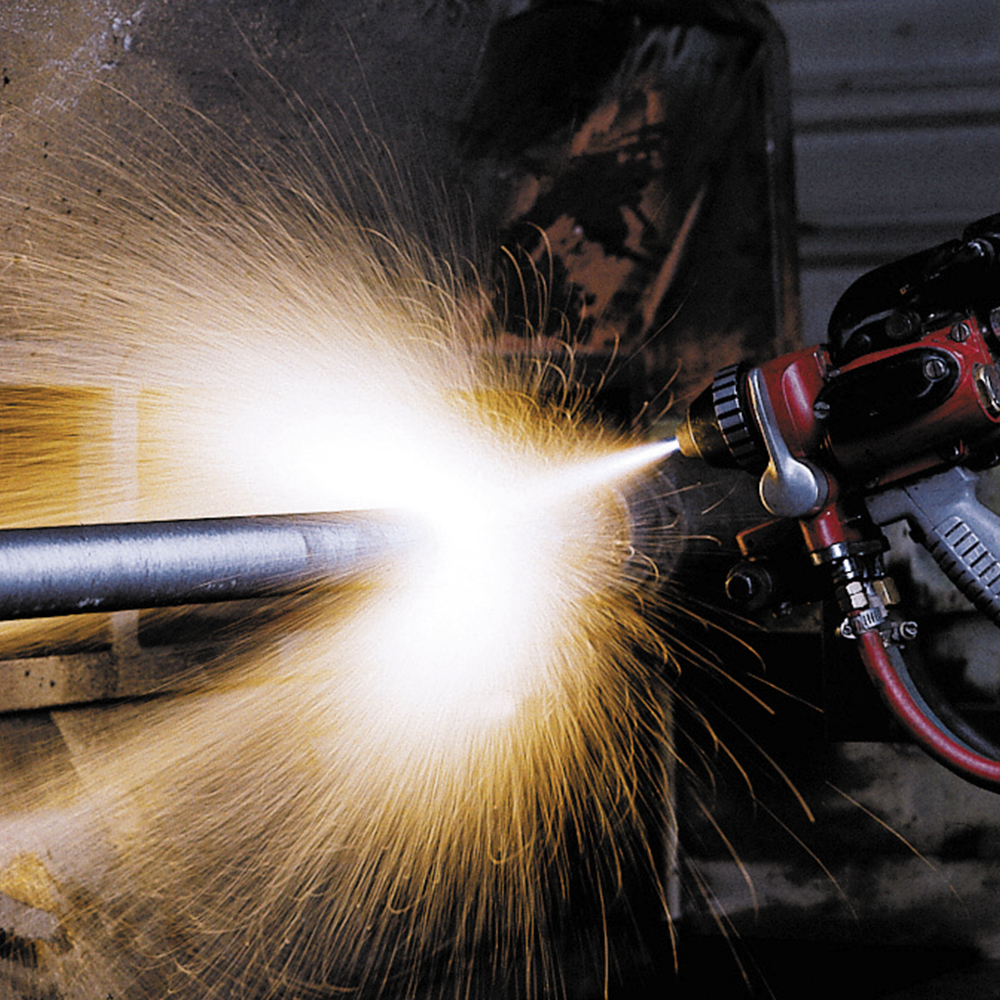
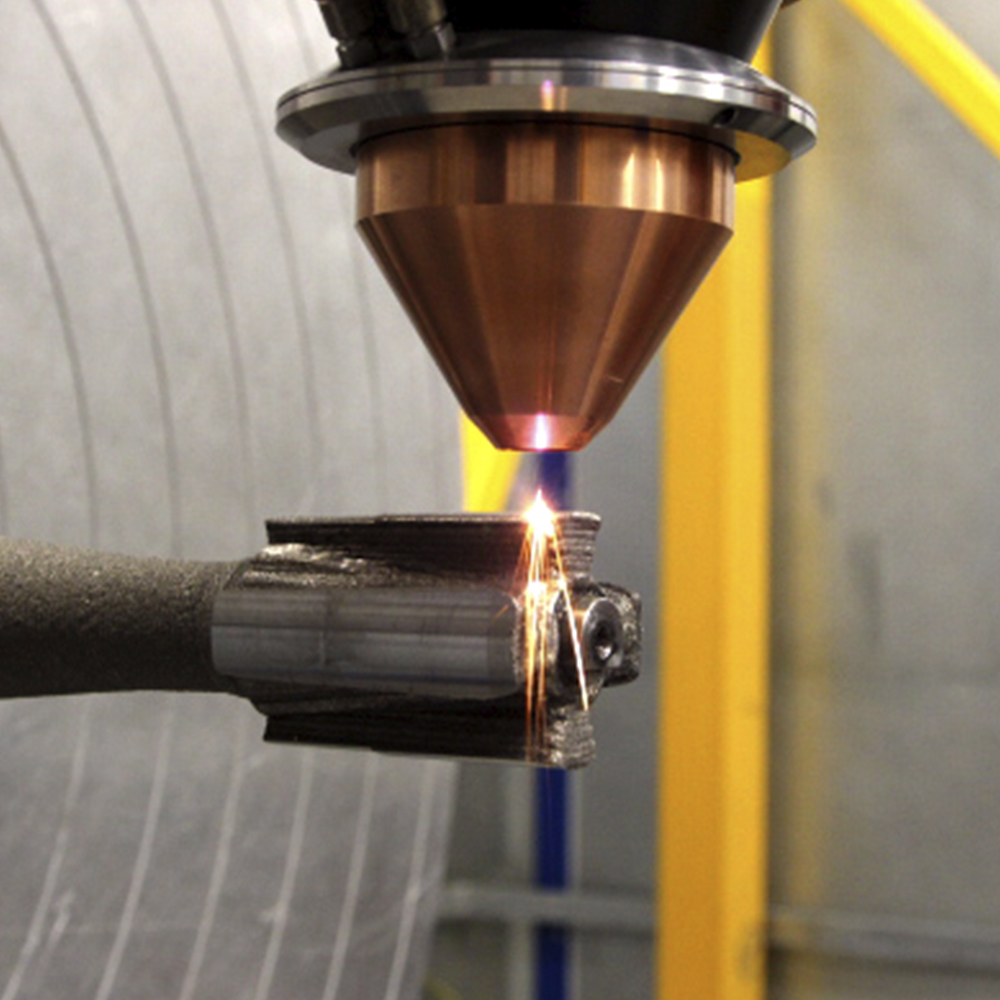
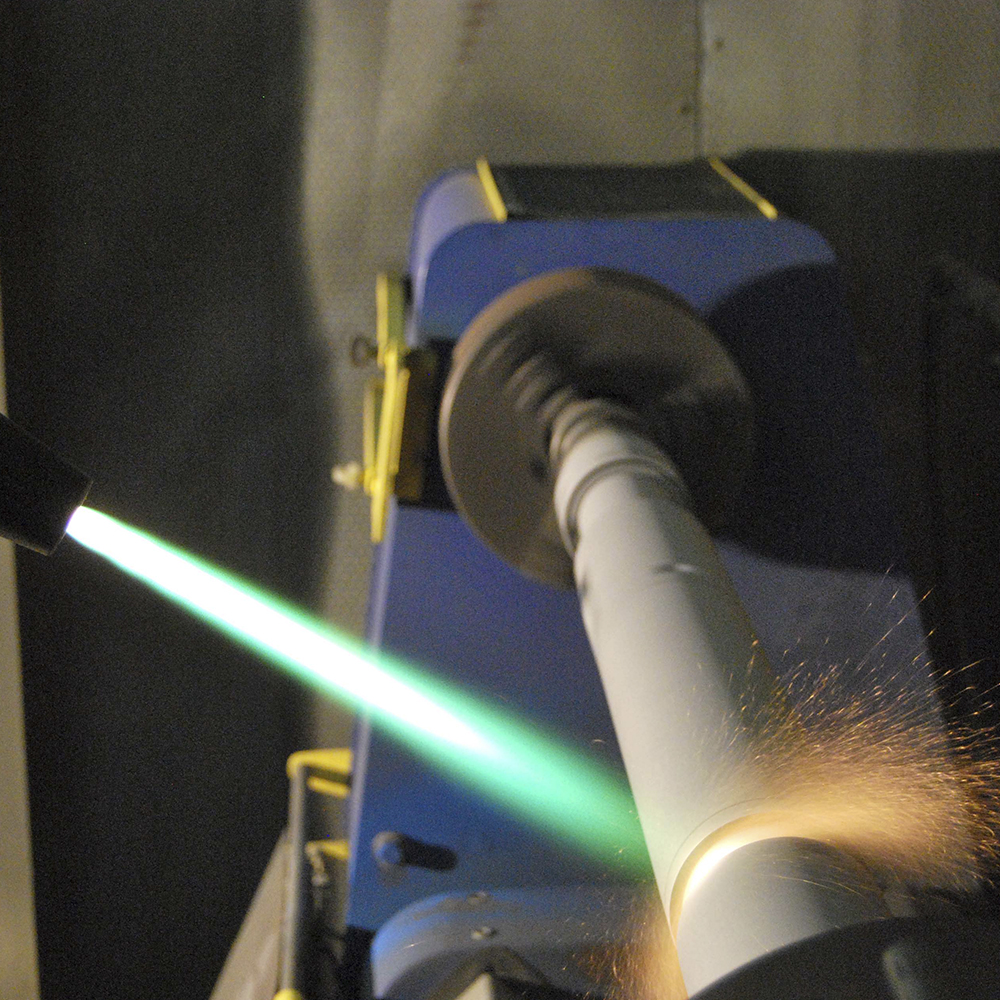
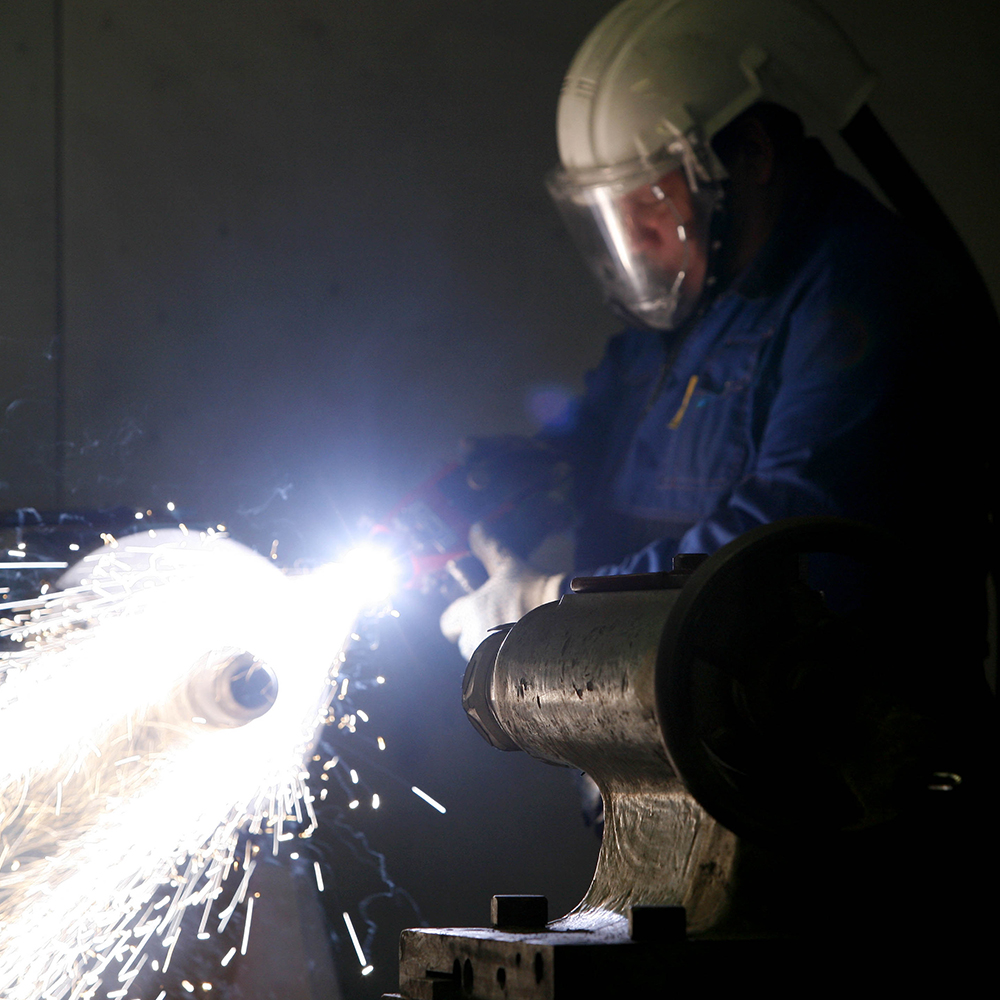
Flame spraying is a coating process that uses a flame from an oxyacetylene mixture as a heat source. Powder or wire material is fed into the flame zone, where it instantly melts, then disperses and is transferred by the gas flow to the prepared surface of the part. The molten particles form a dense, stable layer on the substrate.

This is one of the most accessible and versatile thermal spraying technologies, allowing to work with both metals and polymeric materials.

FS

Flame spraying

Gas-flame spraying technology

Flame spraying covers a wide range of tasks, from rough restoration to fine decorative finishing:

  • Geometry restoration: 
    “Building up” worn bearing seats, restoration of shaft journals and other highly loaded surfaces.

  • Anti-corrosion protection: 
    Creation of durable coatings from zinc, aluminum, and stainless steel to protect the metal structures operating in atmospheric conditions.

  • Repair of plain bearings: 
    The application and restoration of the babbitt layer on liners is a classic task for the gas flame method.

  • Decorative coatings:
    Spraying with copper, brass or bronze to give products an aesthetic appearance (monuments, architectural elements, design objects).

Advantages of the method

On-site work

The torch is compact and self-contained. The equipment is easily transported to heights or hard-to-reach locations, allowing spraying to be performed directly in the workshop or on-site without dismantling large components.

Affordability

This is the most cost-effective thermal spraying method in terms of initial investment and cost per meter of coating. The simplicity of the equipment ensures low maintenance costs.

High performance over large areas

When protecting bridges, tanks or supports from corrosion, flame spraying allows for the rapid covering of large surfaces with sufficient quality.

Application sectors

Infrastructure

Bridges, road barriers, overpasses, transmission line supports, architectural monuments

Housing and communal services

Water and chemical tanks, gas holders, metal building structures

Shipbuilding

Ships, ice platforms, etc.

Port industry

Creating barrier layers on tanks and reactors operating in mildly aggressive environments
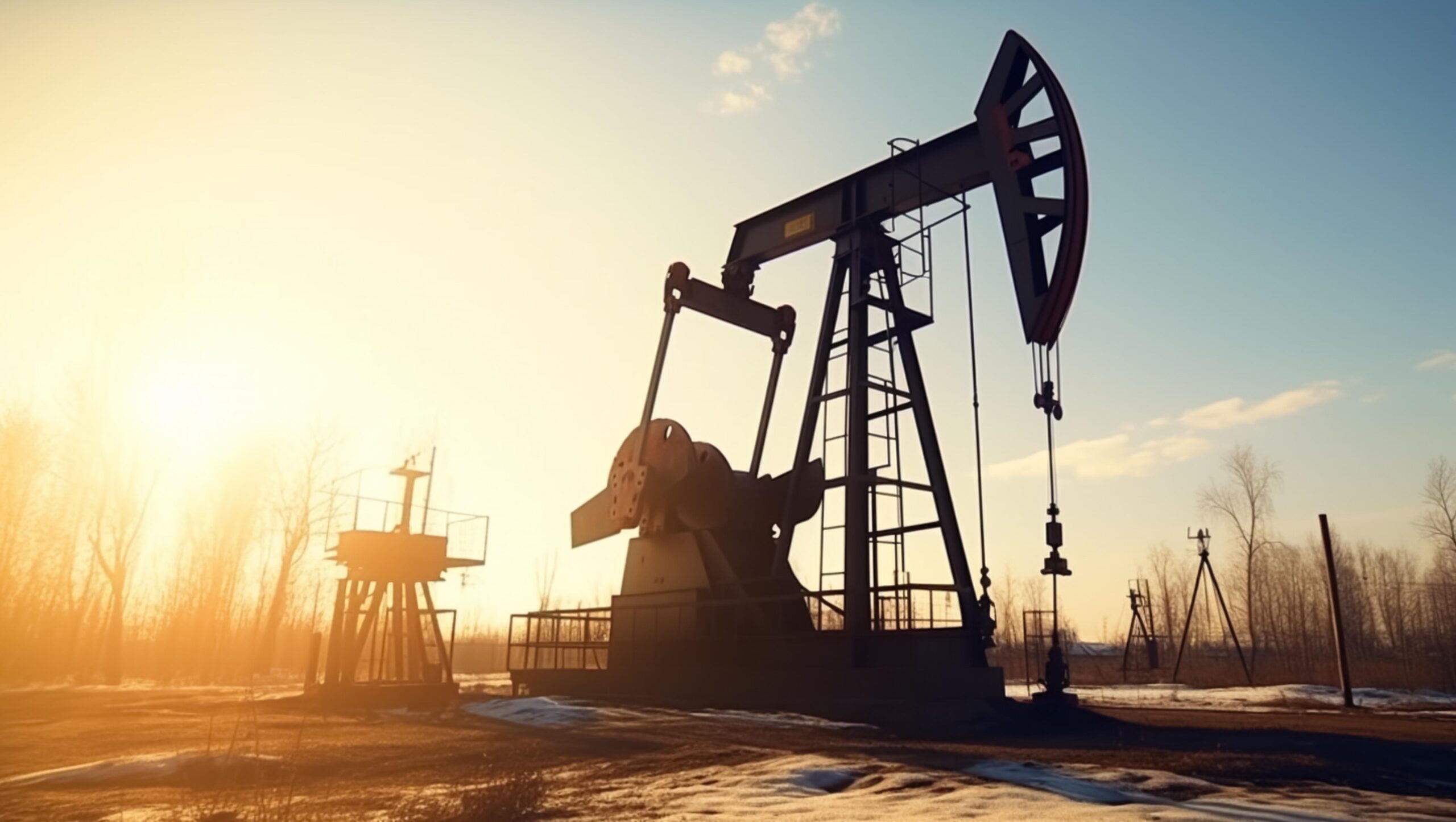
Oil and gas sector

Tanks, column equipment, exhaust pipes
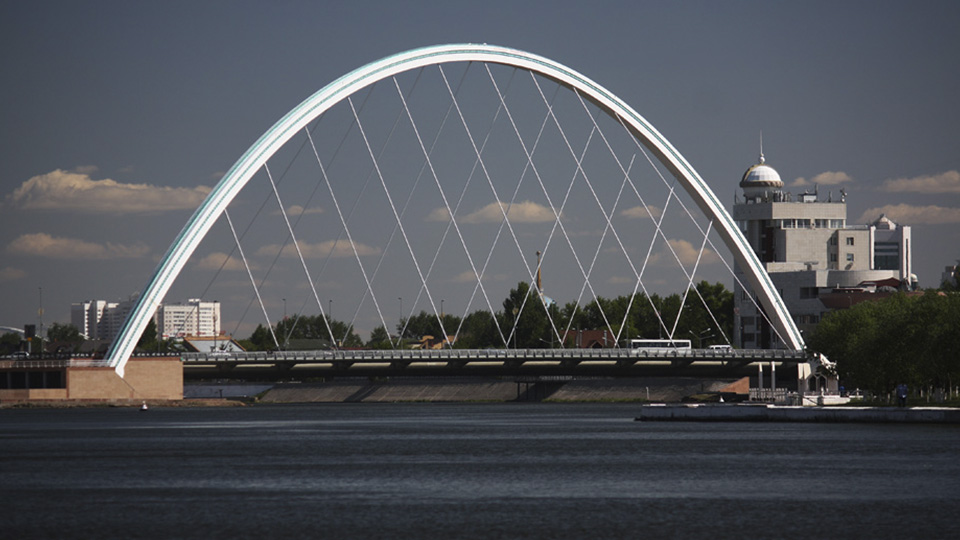
Culture heritage and architecture

Sculptures, architectural monuments, forged grilles, bas-reliefs, lamp columns, gilded bases, fragments of facades, historical metal structures, elements of bridges and balconies
Advantages of FS

Tread protection

As with electric arc welding, zinc or aluminum coatings act as a “sacrificial anode.” This ensures the steel remains protected even if the layer is damaged locally.

Wide selection of the materials

The ability to use virtually any metal or alloy available in powder or wire form, including low-melting materials for decorative works.

Standard parts

Send technical enquiry

Please, send your contact details with technical enquiry and we recall you within 15 minutes

Contacts

E-mail us, we are online