Working with refractory materials and complex geometry

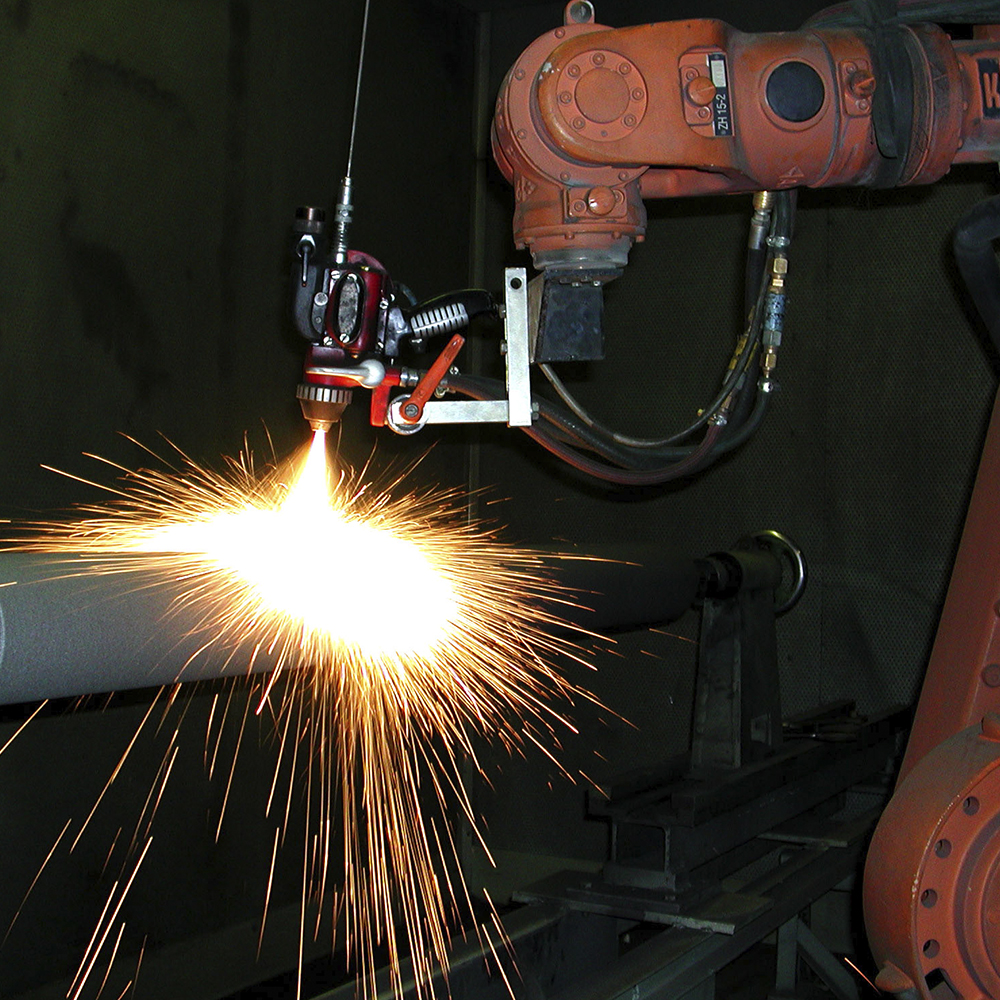
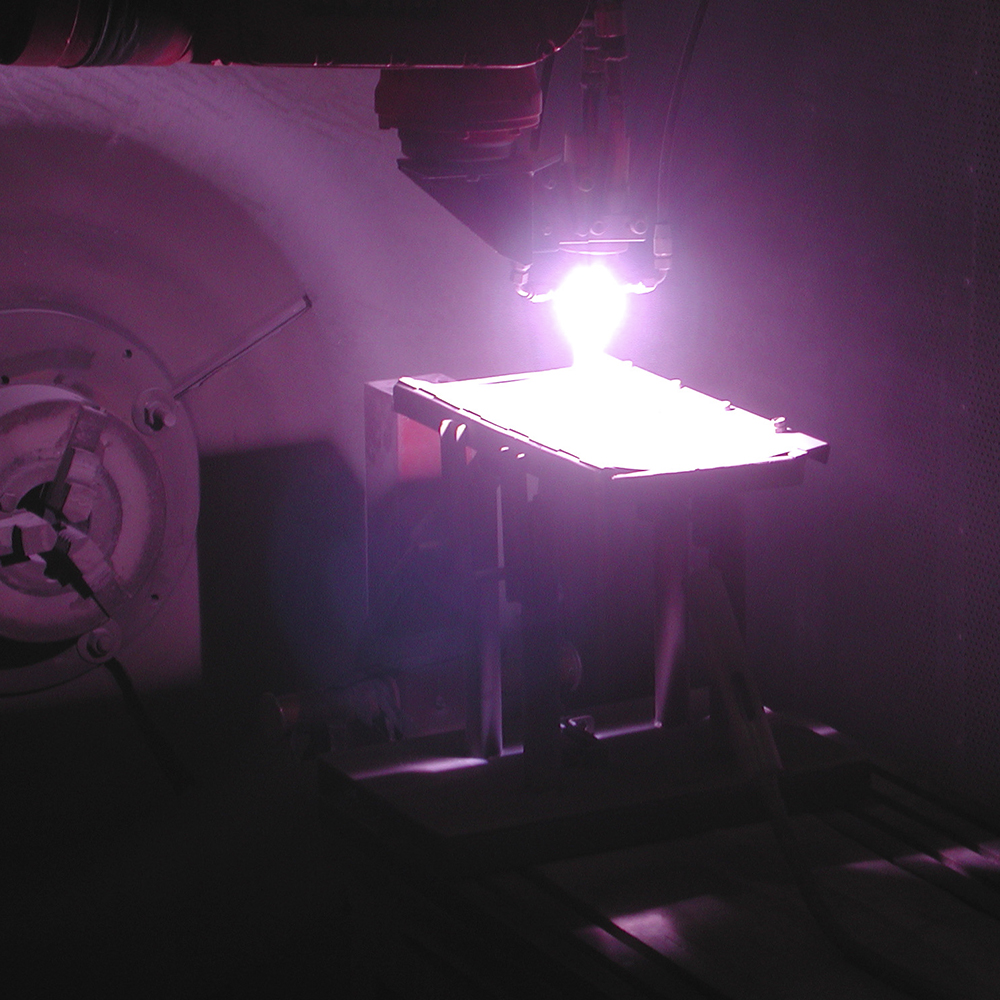
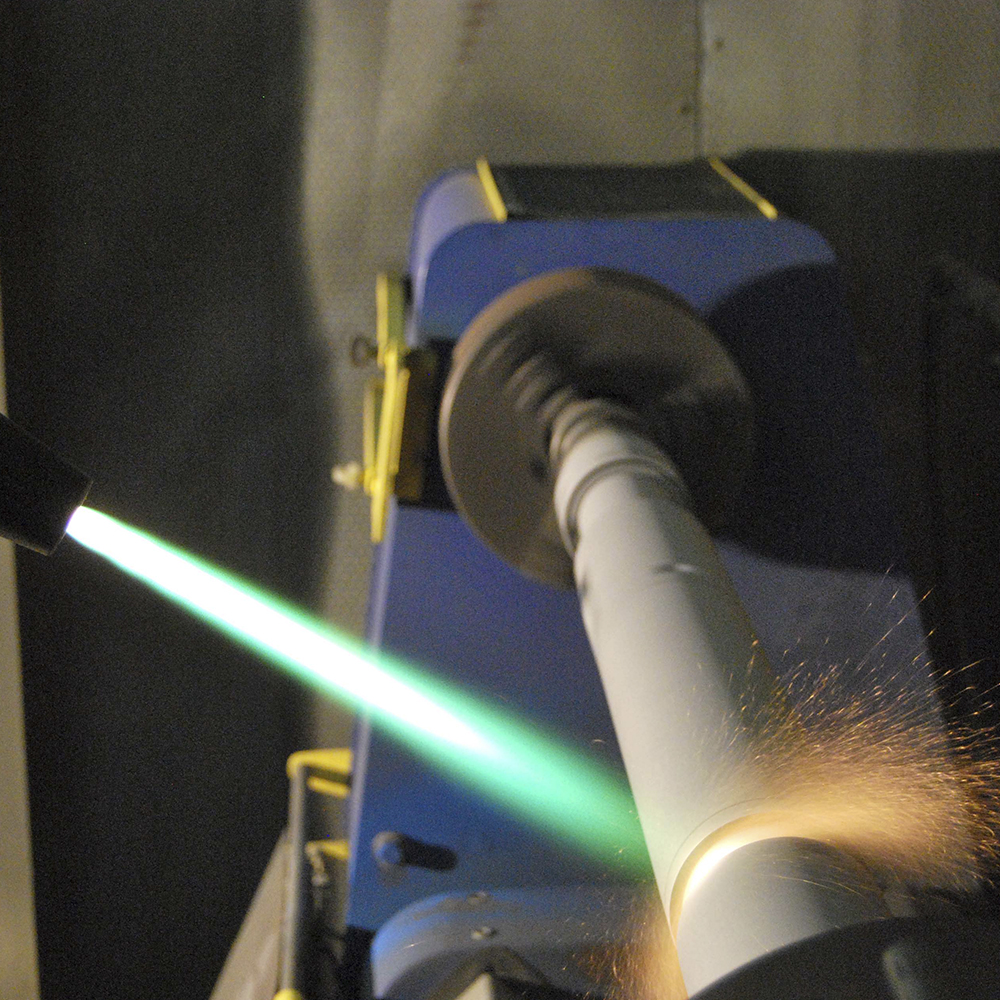
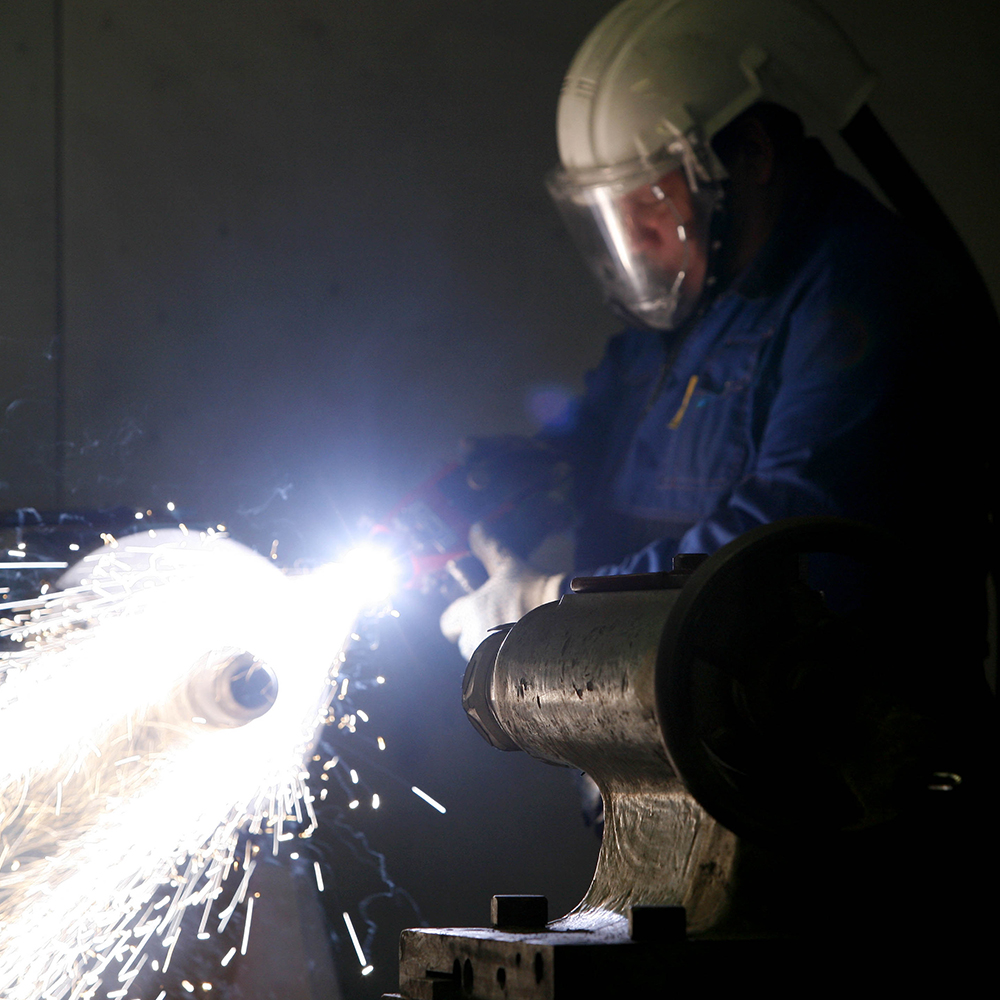
Plasma spraying is a method of creating coatings using ionized gas (plasma) heated to extremely high temperatures. In a plasma torch, an electric arc turns gas (argon, nitrogen, mixtures) into a hot stream. Powder material is injected into this flow: it instantly melts and rushes towards the part in the form of a two-phase flow of “gas + droplets of metal/ceramics”.

The key difference of this method is temperature. Plasma allows melting even the most refractory ceramics, without changing the material’s composition, as there is no oxygen in the combustion zone.

APS

Plasma spraying

APS technology

Plasma opens access to materials that are unsuitable for other spraying methods. We work with a full range of the powders: from metals to oxide ceramics.

Types of coatings we create:

  • Wear-resistant: 
    For friction units and abrasive effect.
  • Corrosion-resistant: 
    Barrier to aggressive environments and high-temperature oxidation.
  • Thermal-barrier (TBC): 
    Multilayer metal+ceramic systems that protect parts from heat flow (critical for hot turbine tracts).
  • Heat-resistant: 
    For the parts operating under load at temperatures above 1000°C.
  • Sealing and antifriction: 
    Special layers for moving joints.

Why choose plasma?

Power over refractory

The plasma jet’s temperature exceeds the melting point of any existing powder. If the material exists in powder form, we can spray it.

Chemical purity

Inert or reducing atmospheres (argon, nitrogen, hydrogen mixtures) are used as plasma-forming gases. The absence of oxygen ensures that the particles do not oxidize during flight, and the surface of the part remains clean. The resulting coating is chemically identical to the original raw material.

Engineering precision

The layer thickness is controlled with high precision. This allows for coatings to be applied with minimal allowances for finishing machining, saving material and grinding time.

Versatility

A single unit can process metals, ceramics, and carbides.

This method allows coating not only external but also internal surfaces (up to 1000 mm deep and 80 mm in diameter), making it indispensable for processing housings and cylinder liners.

Application sectors

Aviation, space environment and energy

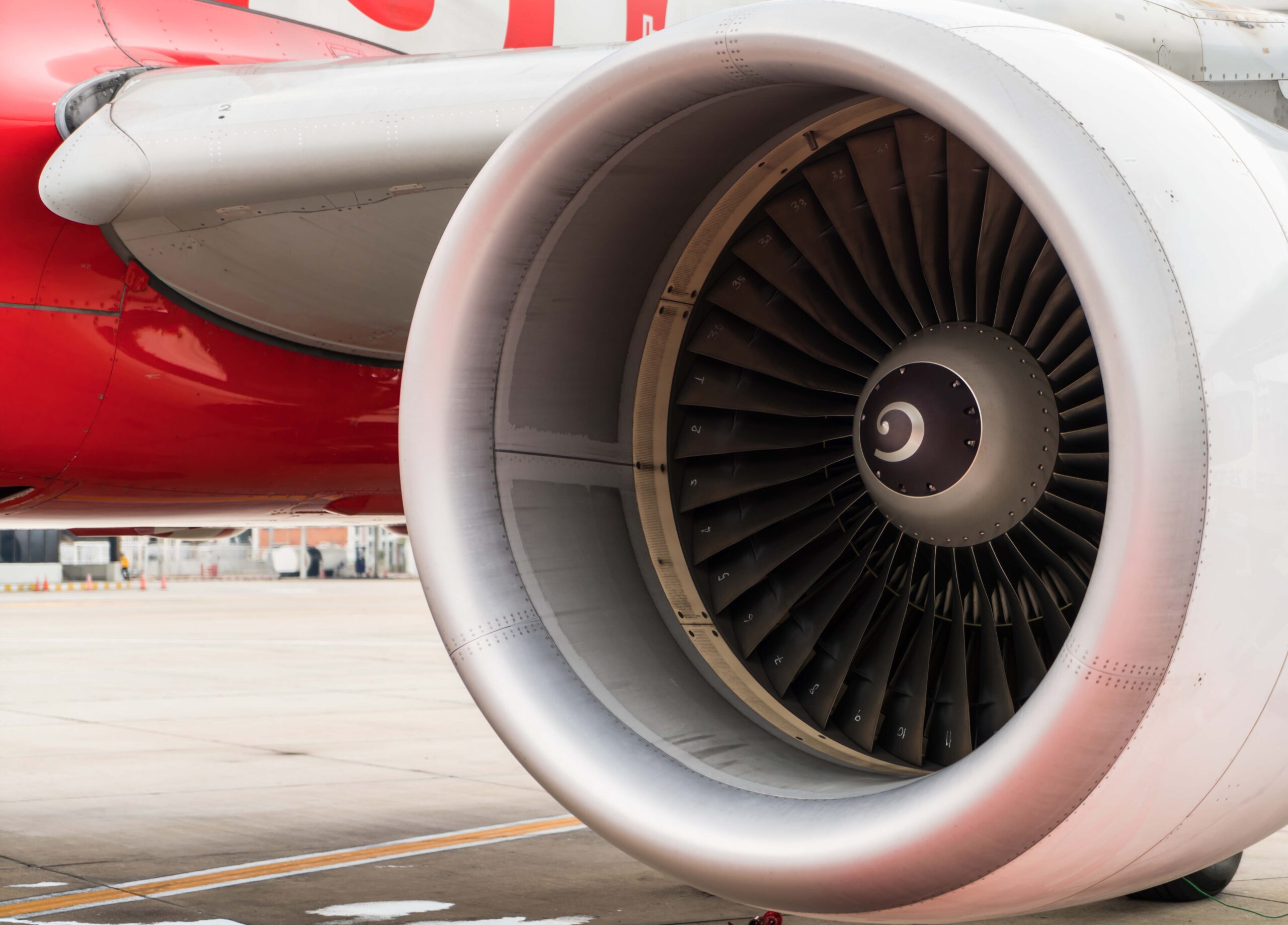
Application and restoration of thermal barrier coatings on hot gas tract components of gas turbine units: combustion chambers, fire tubes, gas collectors, turbine casings and screens, protection of critical components of burner devices.
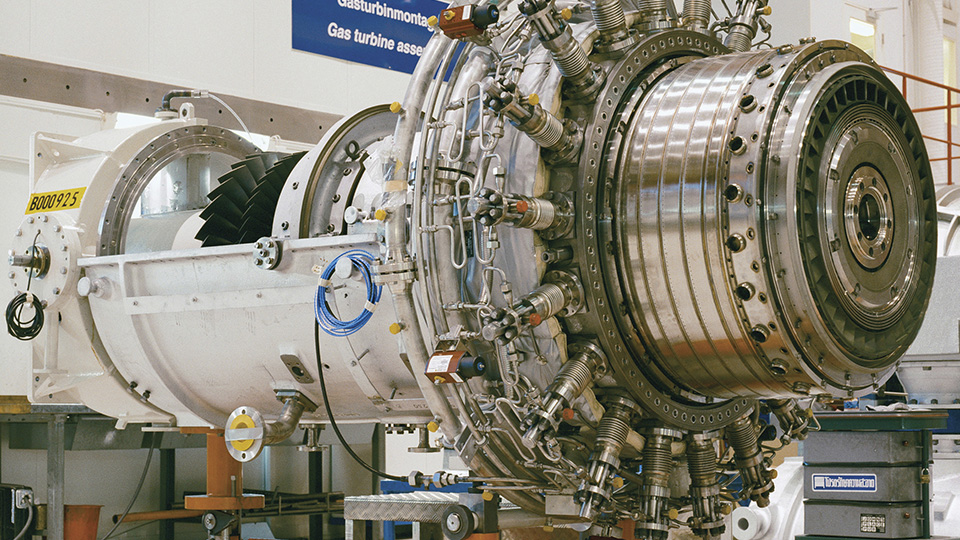
Gas-turbine power units

Plasma spraying of heat-resistant and anti-corrosion layers on high- and low-pressure turbine blades and nozzles. This extends the blade life under alternating loads and high temperatures.
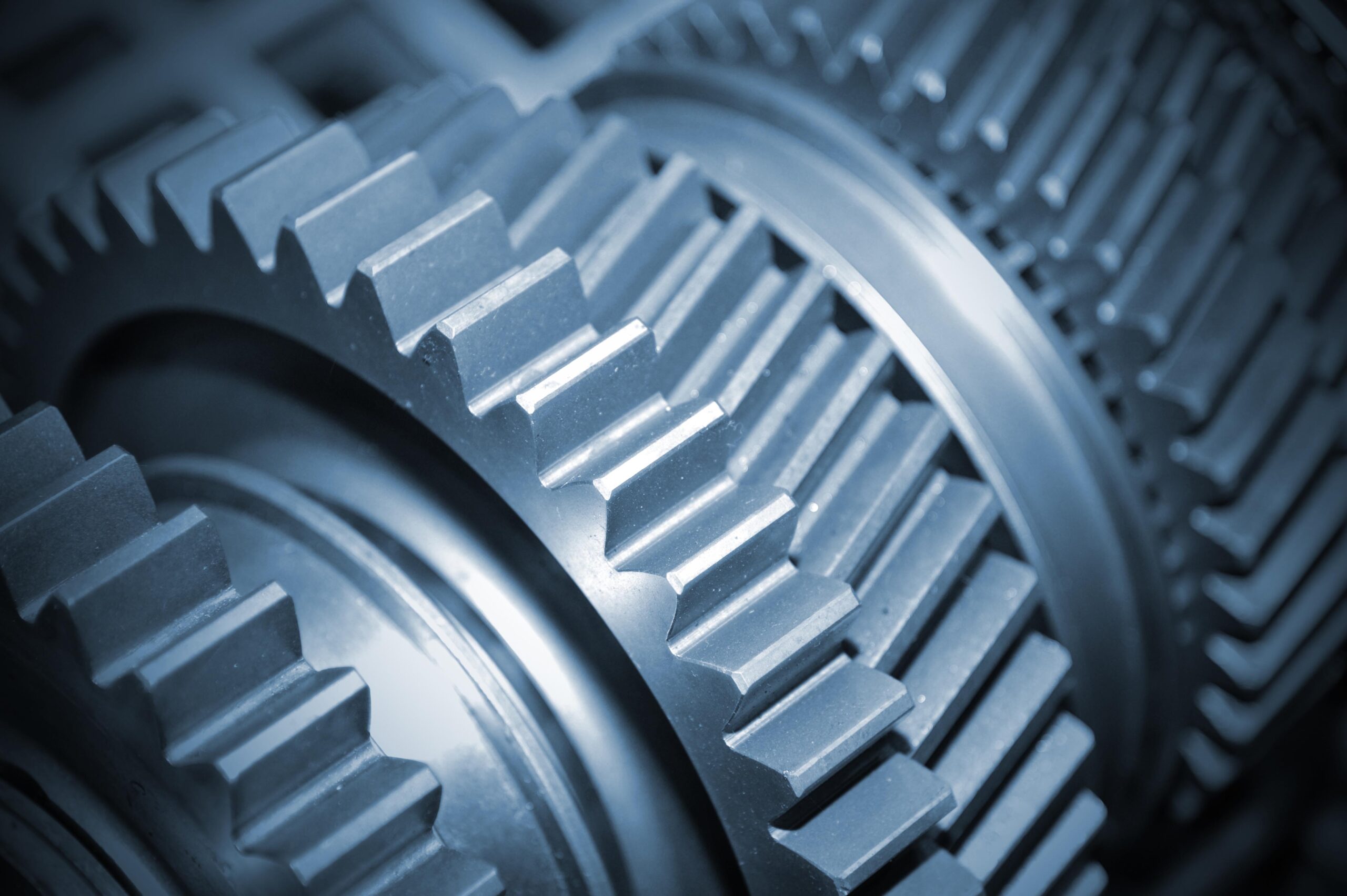
Mechanical engineering and metallurgy

Creating the wear-resistant coatings on rolling rolls, crystallizer sleeves, protection of the parts of oil and gas equipment and chemical apparatus.
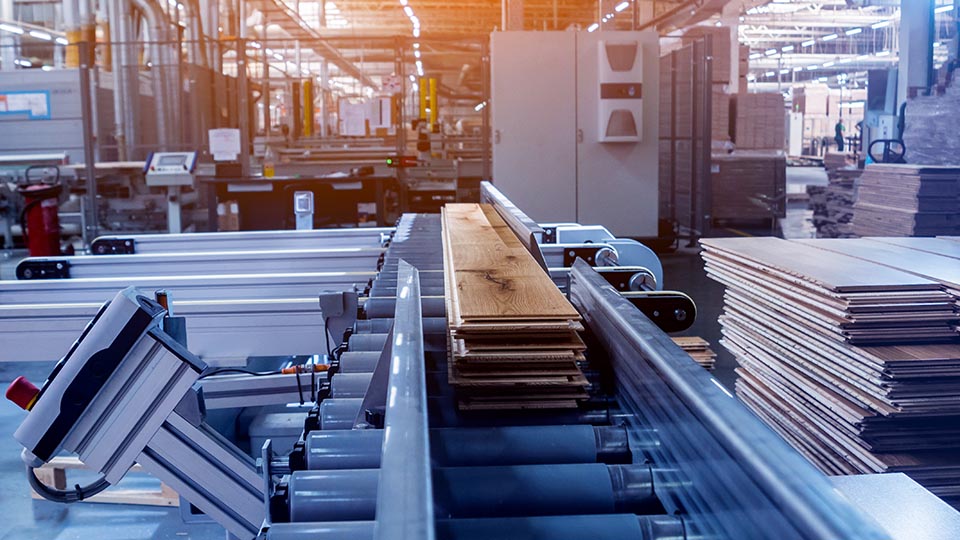
Printing and industry

Repair and restoration of ceramic coatings on corona treatment unit rollers, dampening rollers, and conveyor rollers. Plasma restores the geometry and dielectric properties.
Standard parts

Send technical enquiry

Please, send your contact details with technical enquiry and we recall you within 15 minutes

Contacts

E-mail us, we are online